Shape the future.
The Master’s programme in Architecture builds on the content and learning objectives of the Bachelor’s programme. Design theory is explored in greater depth, enabling students to tackle complex design tasks independently in terms of structure, form and sustainability.
Spatial, technical and urban planning contexts can be applied in a broader and more in-depth manner. Elective modules establish key areas of knowledge in the field of building culture, preparing students for potential specialisations in their future professional practice and broadening their educational horizons. The next generation of architects can independently forge their own paths within a constantly evolving understanding of architecture and take responsibility for shaping the built environment. New societal demands also call for new approaches to architectural practice or a renewed justification for it. We encourage reflection on one’s own work and the ability to engage in discussion, experimentation and the courage to explore new avenues.
The Master’s programme in Architecture aims not only to impart knowledge but also to promote critical reflection, discussion and experimentation, and to venture into areas that are only indirectly related to the professional field.
- Application deadline
- By 15 January (summer semester)
- By 15 July (winter semester)
- Study time
- 4 Semesters
- Study title
- Master of Arts (M.A.)
BEST OF 2026 – EXHIBITION ONLINE AND AT THE UNIVERSITY
The exhibition showcases a comprehensive selection of the most exciting student projects from the past year – from all degree programmes within the Faculty of Architecture and Design.
On Thursday 15 October 2026 at 6.00 pm, both exhibitions were officially opened. The exhibition on campus will run until 22 October 2026.
Whether you’re a student, school pupil, industry professional, friend or family member – everyone is warmly invited. Just pop in and be inspired!
All the award-winning works are on display in the digital exhibition:
bestof.hft-stuttgart.de
Programme Composition
At the heart of the Master’s programme are three design projects, which are undertaken over the three semesters leading up to the Master’s thesis and for which students can choose from three specialisation areas: Spatial, Urban Planning and Technology. The specialisation areas are supported by seminars within the design courses. In addition, both compulsory and optional modules are offered across up to five subject areas: Design and Form, Design and Technology, Law and Project Management, Theory and Architectural Discourse, Foreign Languages and Key Skills. Two-thirds of these modules are optional and can therefore be chosen freely, including from other degree programmes; one-third are compulsory.
Semester
1–3
University Semester
In each of the three semesters, the focus is on a design project within one of the following three specialisations: Spatial, Urban Planning and Technology. Students are free to choose from a total of six design topics. A specialisation may only be taken twice. In addition, there are compulsory subjects for each semester and a catalogue of optional subjects from which students can choose courses for individual specialisation.
Semester
4
Master Thesis
The Master’s thesis is a project involving a preparatory Master’s seminar and a final presentation of the results. It is intended to demonstrate that students are capable, within a specified timeframe and with moderate supervision, of tackling a highly complex, self-selected and relevant task from the field of architecture and urban planning using artistic-aesthetic, cultural-societal and technical-scientific methods, and of presenting the results in a comprehensive manner.
The Master’s thesis is assessed by a Master’s examination board with a rotating membership, comprising the supervisor and, on a rotating basis, three further professors from the Master’s programme in Architecture across the various departments.
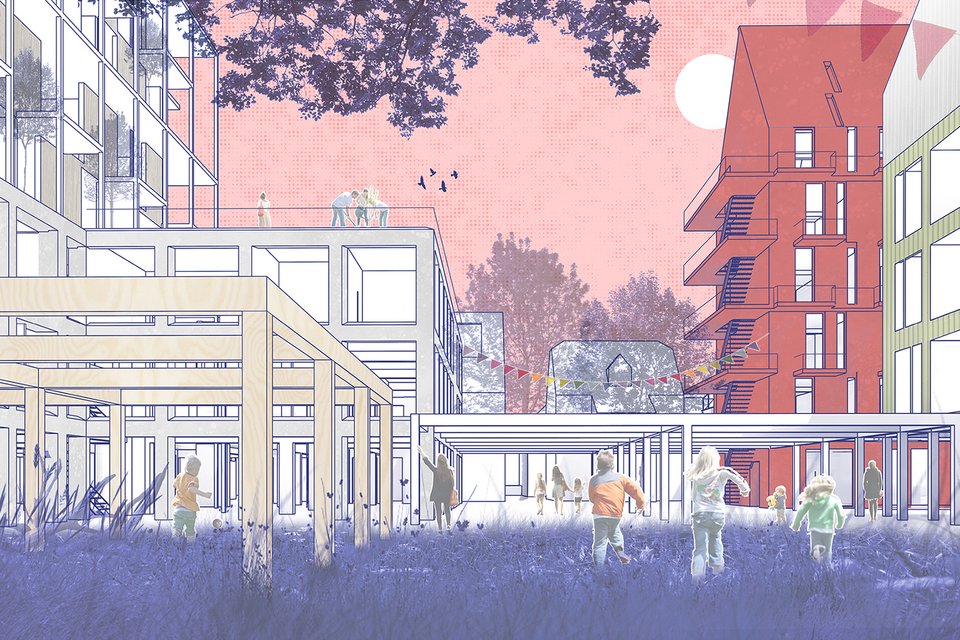

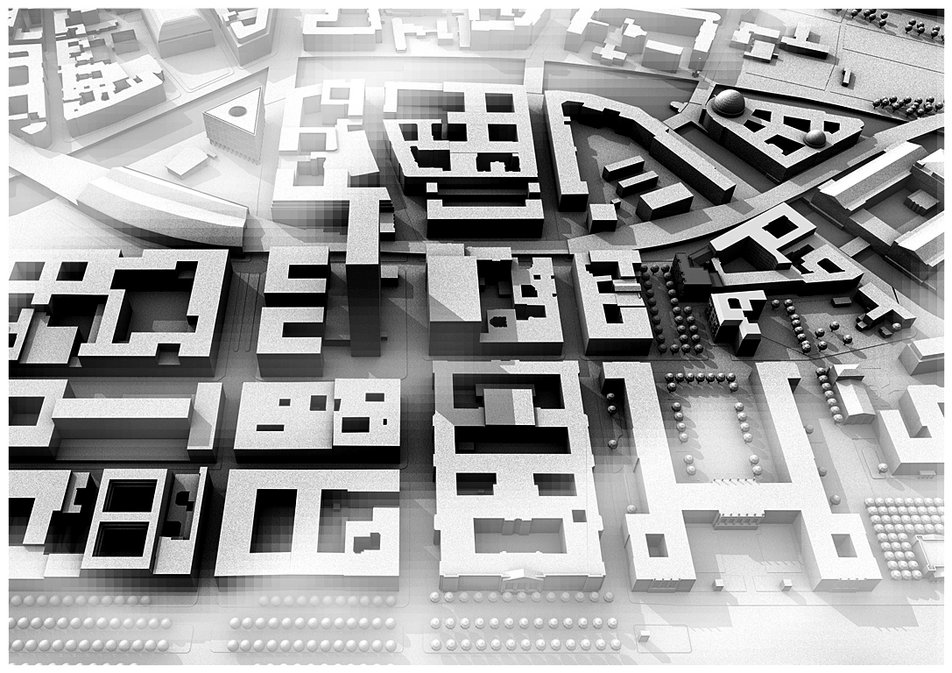
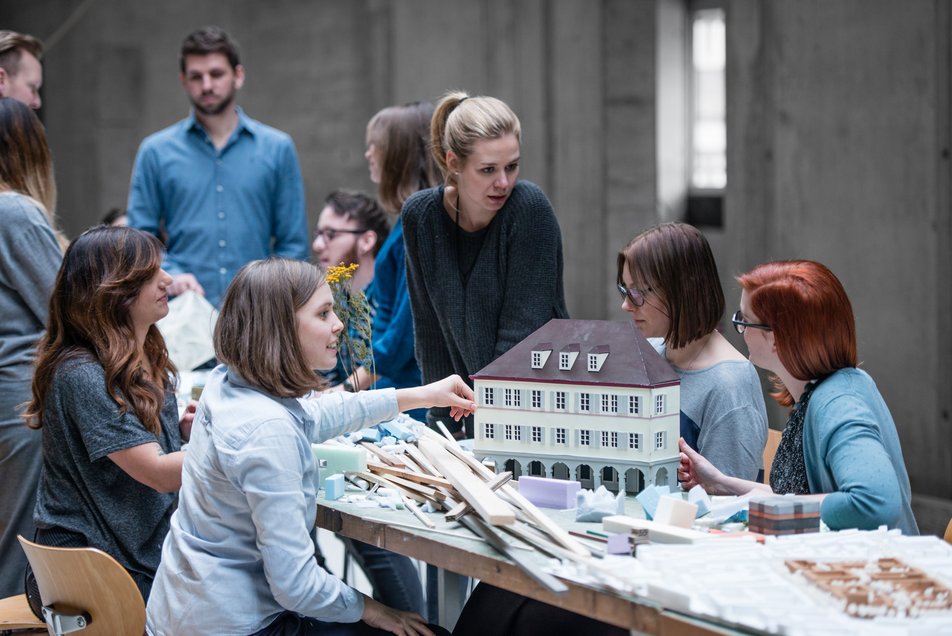
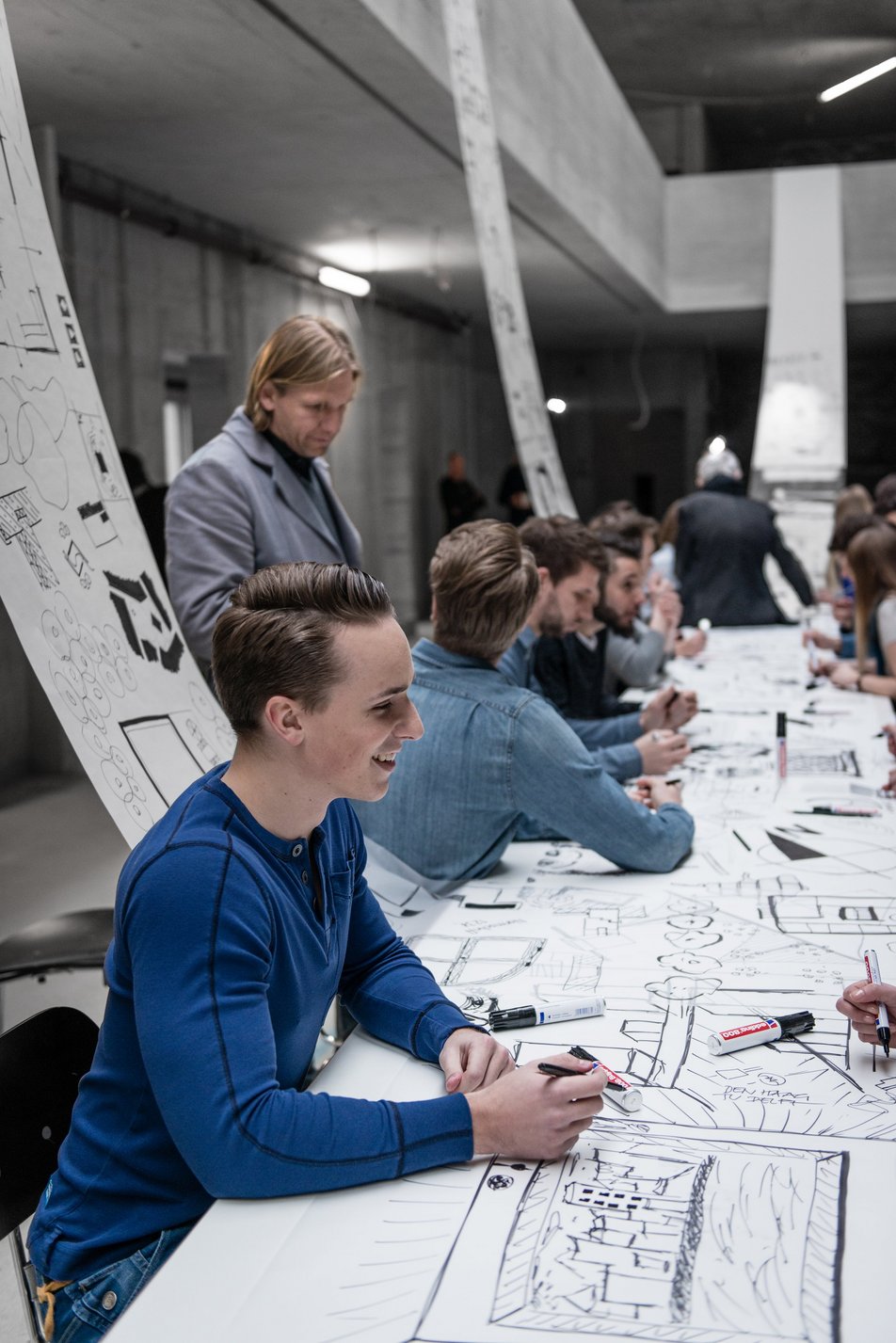
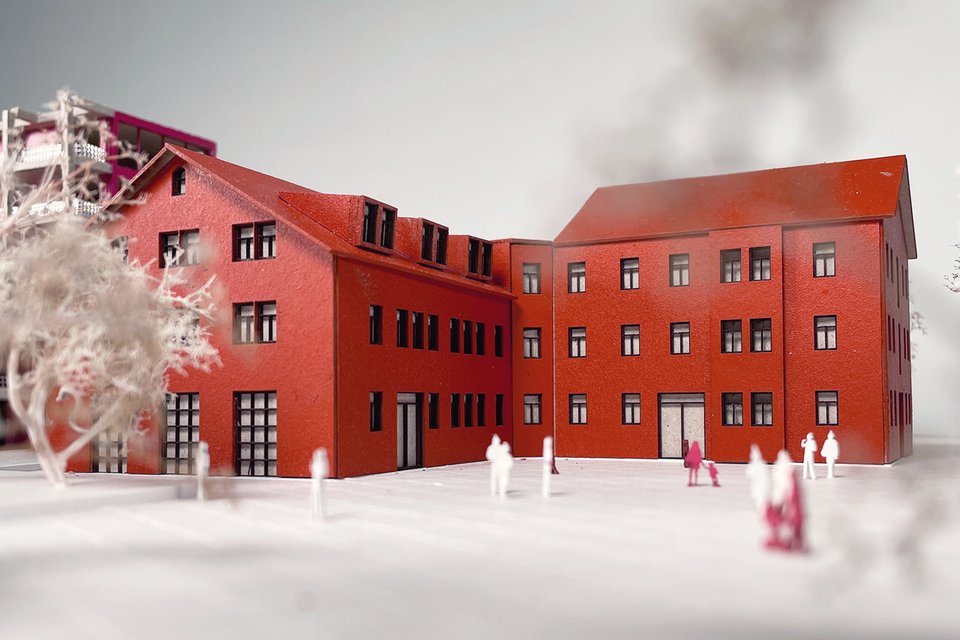

A university degree is more than just job training. Especially for the occupation as an architect, it is essential to acquire a broad general knowledge, a rich cultural background and the ability to reflect critically during the course of the programme. This will let you to act in a forward-looking and creative manner in regard to a complex field of action. Despite this deliberately broad view, our students are also prepared for a smooth transition into professional life, which is why we place great value on the practical relevance of our courses.
Interdisciplinary Approach
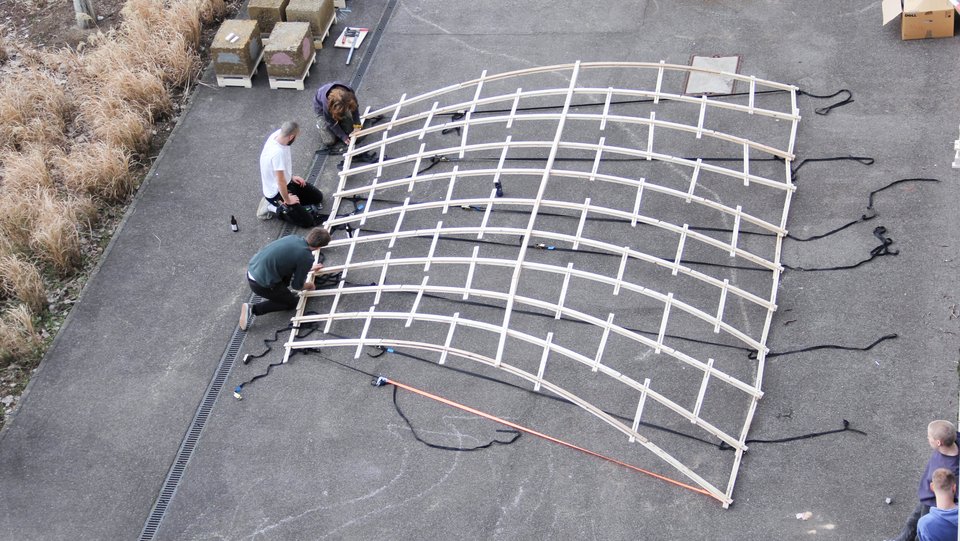
The architect is still the generalist among planners. One of their central tasks is to consider the multitude of functional, social, technical and design requirements and to bring them together sensibly in a design. The possibility to work on constructive and energy related questions in an interdisciplinary way, will help train the necessary path of thinking already during the studies. Every year, an interdisciplinary design project is offered in the ClimateEngineering course.
-
Master Architecture | Studio City
view page for moreDetails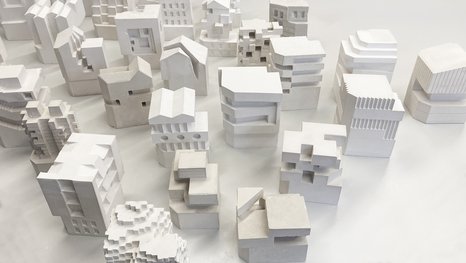
-
Master Architecture | The new Roser Quartier - the conversion of office buildings into residential buildings
view page for moreDetails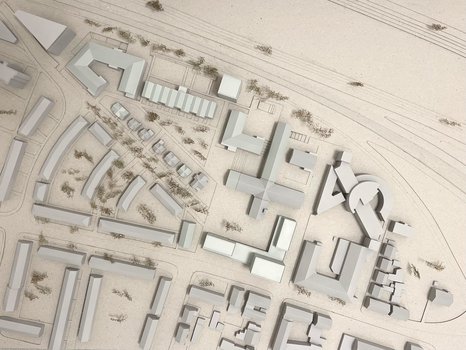
-
Master Architecture | How to not demolish a building
view page for moreDetails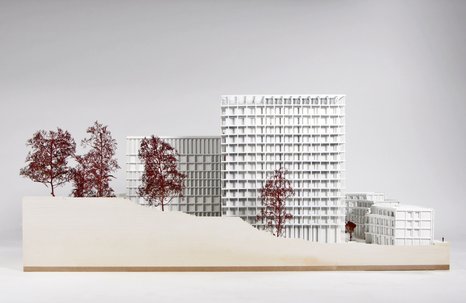
-
Master Architecture | Centering, Art on the Neckar, Neckarspinnerei
view page for moreDetails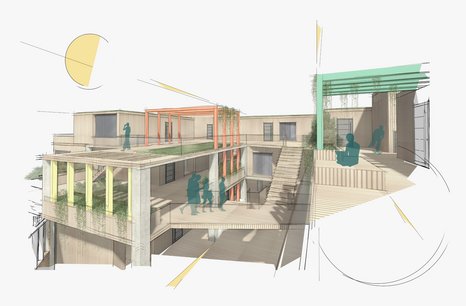
-
Master Architecture | Wild Urban Nature
view page for moreDetails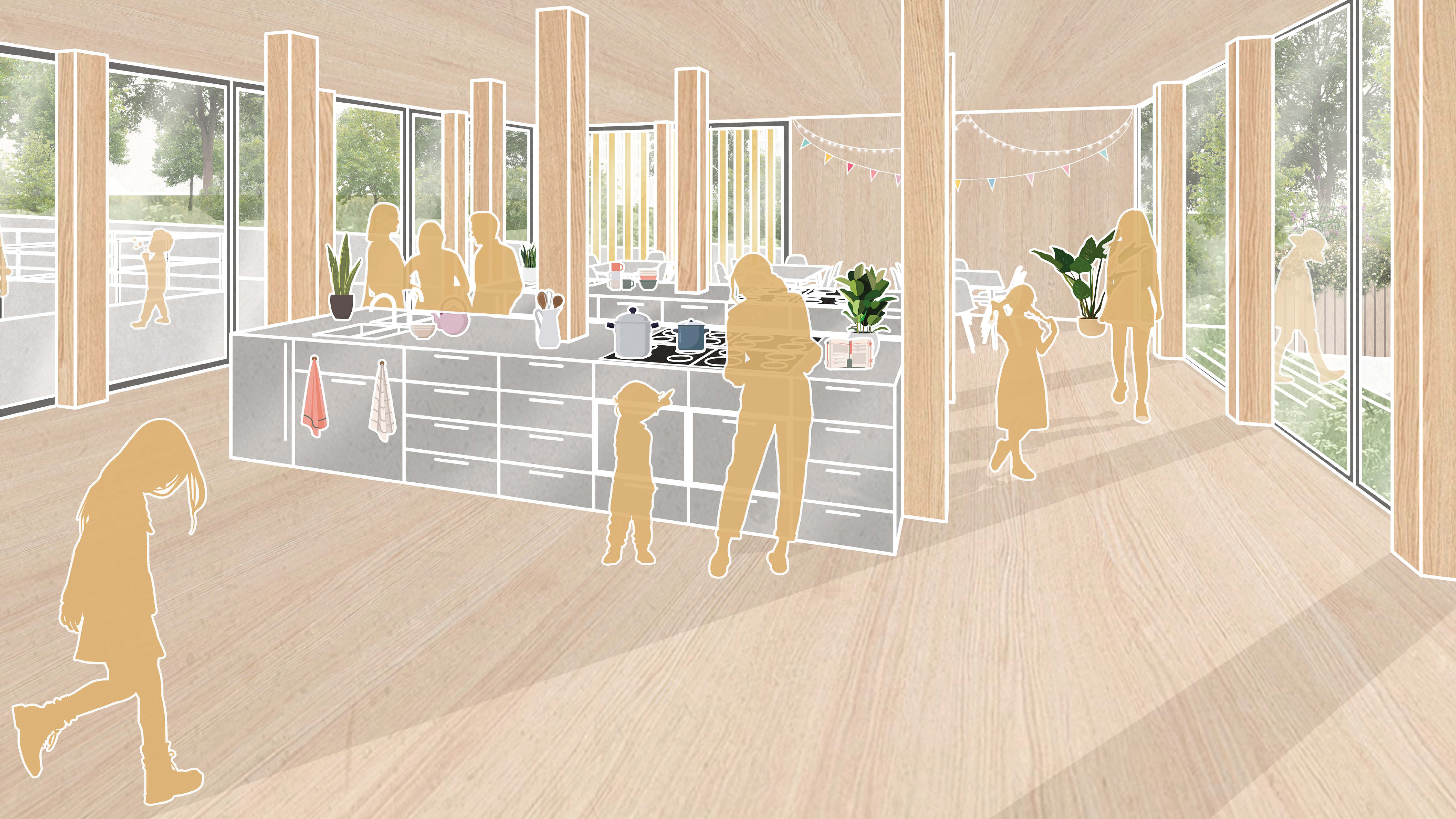
-
Master Architecture | Creative Centre Bietigheim-Bissingen
view page for moreDetails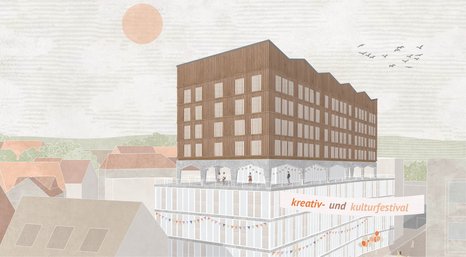
-
Master Architecture | New Building Fuchsrain Grammar School
view page for moreDetails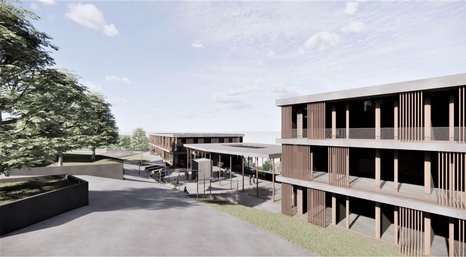
-
Master Architecture | Manifest 2022
view page for moreDetails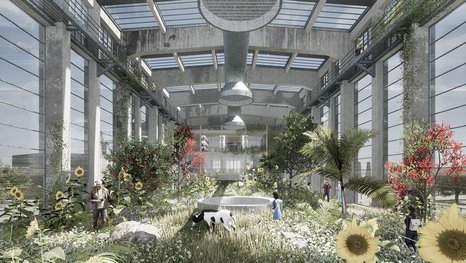
-
Master Architecture | New Market Hall Freiberg
view page for moreDetails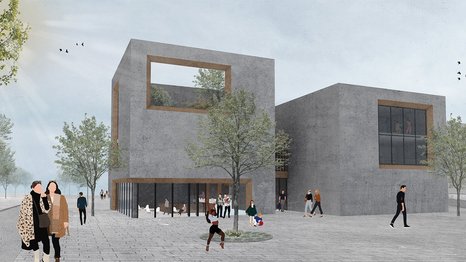
-
Master Architecture | LA @ KA
view page for moreDetails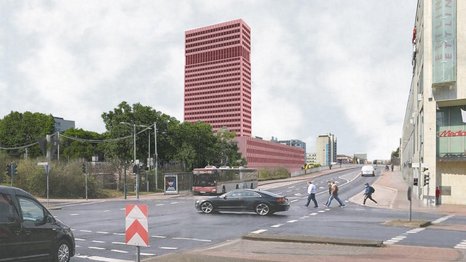
-
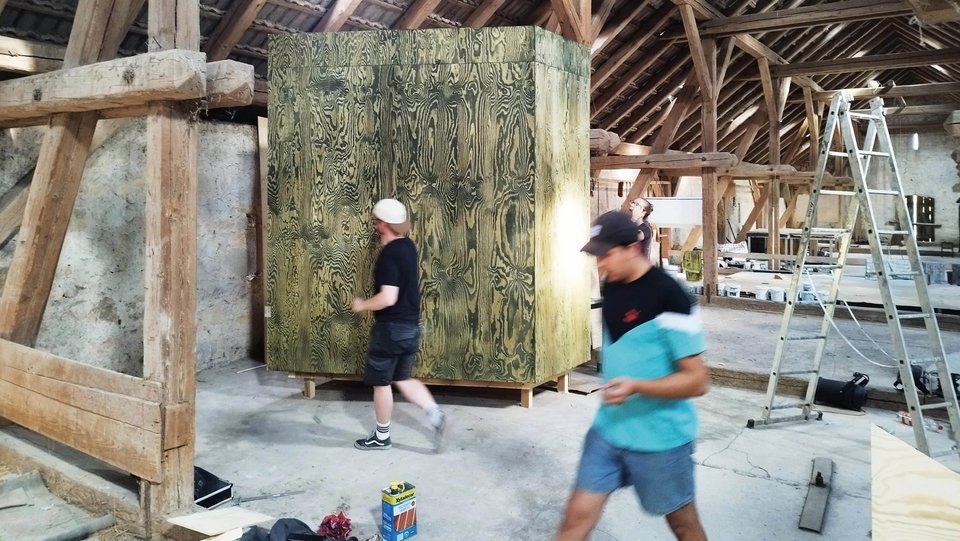
Electice subject Self-Construction Project – Studio Campus
view page for moreDetails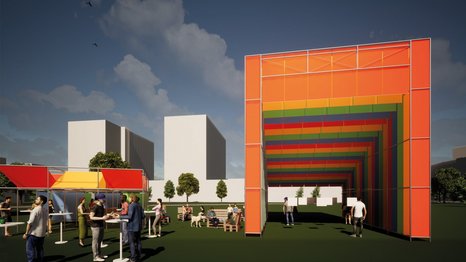
-
Master Architecture | Radical Housing
view page for moreDetails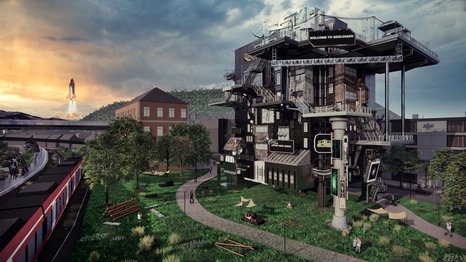
You have the opportunity to study one semester at one of our partner universities worldwide. The international office supports you in preparing for your stay abroad.
A list of possible partner universities can be found on the homepage of the International Office:
https://www.hft-stuttgart.com/studies/international/partnerhochschulen
Auslandsbeauftragte:
Prof. Sophie Reiner
Tel: +49 (0) 711 8926 2590
sophie.reiner@hft-stuttgart.de
The Master's programme in Architecture qualifies graduates for senior positions in architecture and planning offices, but also for professional fields in the public and private sector of client representation, for example at building authorities and building departments. In addition, the programme should entitle students to complete a legal traineeship in order to enter the higher service. Finally, graduates can also gain further qualifications by completing a doctorate.
Eligibility to Professional Bodies
The profession of architect is protected in many countries and may only be practised with the appropriate proven qualifications. In Germany this is regulated by the states’ respective laws. The Master's programme in Architecture, with 4 standard semesters, builds on to the Bachelor's programme in Architecture, offered at the HFT with a standard duration of 6 semesters. After completion of the Master's programme, this adds up to 10 semesters in total, which entitles the student to be registered with the Architektenkammer, Germany’s professional body. They generally require at least 8 semesters completed. In accordance with the Architektenkammer’s regulations, an AiP (Architect in Internship) can be started eventually resulting in enlistment in the roll of architects.
Ratification
The degree ‘Master of Arts’ of the consecutive Bachelor-Master programme in Architecture at the Stuttgart University of Applied Sciences has been ratified at the European Commission since August 2016. As a result, all graduates with this degree are now entitled to the recognition of their professional qualifications in all 27 member states of the European Union. This also applies retroactively to all graduates since the introduction of the Bachelor-Master programme in the 2005 summer semester, eliminating the previous recognition procedure with its time-consuming case-by-case examination and high processing fees.
UIA Conformity
The Charter for the Education of Architects by UNESCO and UIA (Union Internationale des Architectes) not only specifies what content should be included in an architectural degree programme, but also that it should comprise at least 10 academic semesters of full-time study. For students who want their studies to meet the UIA criteria, a priority should therefore be to complete their fifth semester abroad at one of our partner universities (Supervised Practical Study Project) instead of an office internship. This is regarded as an academic semester conforming to UIA. With the Bachelor's and Master's programme at the HFT a total of ten semesters can be certified.
The diploma supplement, an appendix to the diploma, verifies these facts in a way reproducible by potential employers.
Accreditation
The degree programme is accredited by the Accreditation Agency for Engineering, Computer Science, Natural Sciences and Mathematics (ASIIN).
New study regulations will come into force from the coming winter semester 2026/27. All students starting at HFT from the winter semester 2026/27 onwards will begin under the new study regulations. All students already enrolled will continue under SPO192 until they have completed their studies.