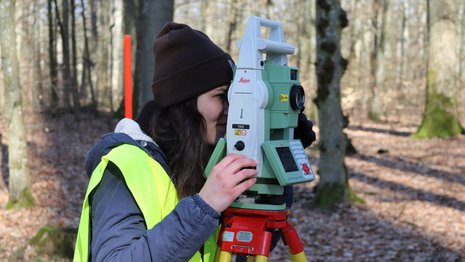
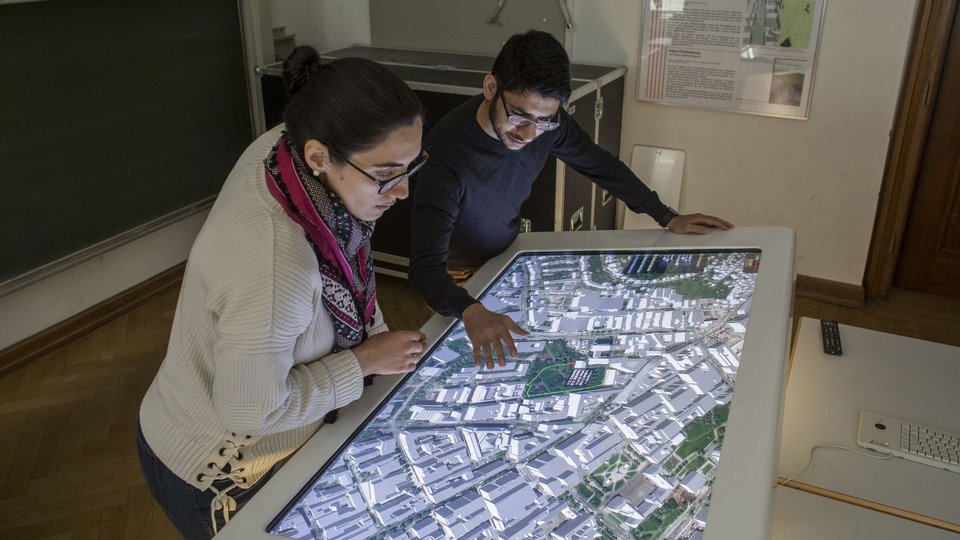
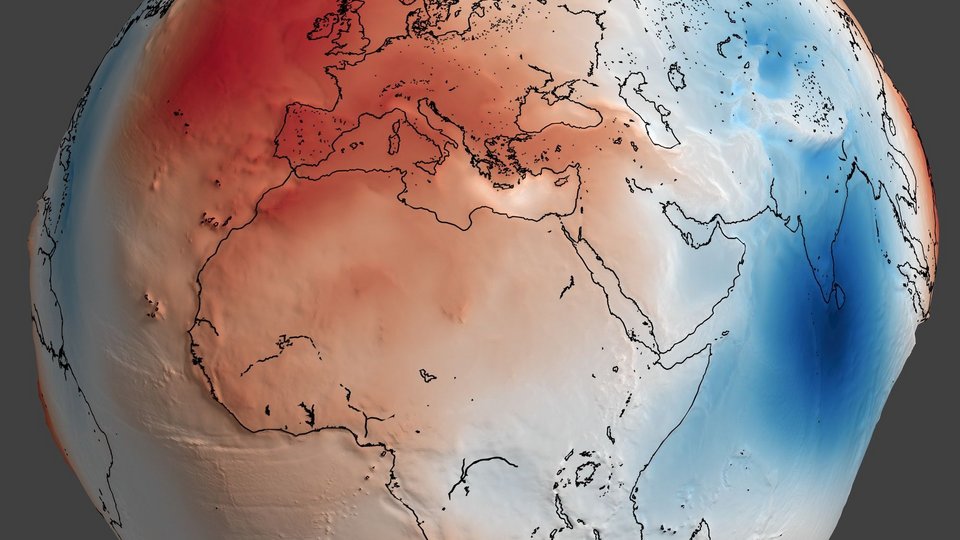
The Master of Engineering Surveying is a geodesy course of study that prepares students for a career in industrial and engineering surveying as well as for a career in higher administrative surveying. For this purpose, you will acquire in-depth knowledge in earth physics, statistics, industrial surveying, land management and geoinformatics. The course language is german! The target group are bachelor's graduates with a deeper interest in surveying and graduates of a university course with a focus on geodesy. The contents of the three-semester course of study have been agreed upon with representatives from the field of practice and the Ministry of Economics of Baden-Württemberg in such a way that the qualification for the legal clerkship for theHigher Surveying Administration Service is achieved. In addition, the course of study is kept flexible through additional options such as traffic planning or 3D city models and not only meets the future requirements of industry and administration, but also takes into account current problems such as the development of Smart Cities and modern sustainable mobility concepts
Graduates can expect a job market with a high demand for qualified engineers. Career entries succeed with comprehensive knowledge in industrial surveying (e.g. automotive industry or precision mechanical/optical field), at university as well as in research or teaching. Geodesists are also required in accident and crime scene surveying, which is part of forensics.
The Master's degree qualifies for a career in higher administrative service as well as for a doctorate.
We accompany your studies
Good reasons for a Master's degree in Surveying!
Very good career prospects
Enormously high range of interesting possibilities.
You are interested in further deepening the knowledge you acquired in your Bachelor's degree
A Master's degree opens additional doors, e.g. in public service and research
Qualification for the legal clerkship for the Higher Administrative Surveying Service
We accompany your studies!
Good reasons to study with us!
Studies with high practical relevance
Part-time studies possible
Competent and committed professors, employees
Assistant lecturers from the private sector and from administrations for even more practical relevance
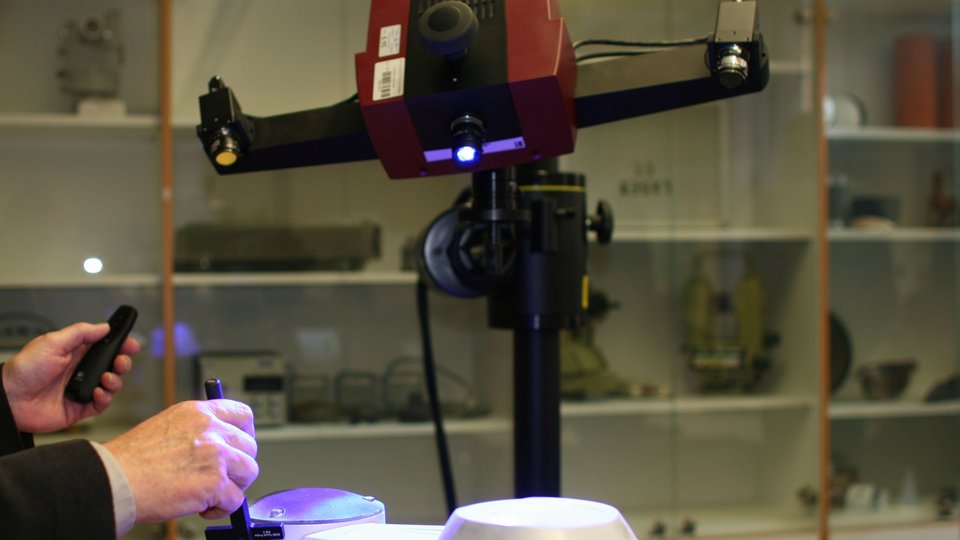
Laboratories with extensive and modern equipment
Intensive contacts to partner universities at home and abroad
Foreign languages and soft skills
Applied research
Skills
What do you have to bring?
An above-average degree - grade average 2.5 or better - from a German university or a comparable foreign university with at least three years of standard study in the profile Surveying and Geoinformatics.
Thirst for knowledge and interest in processes on and in the earth that are relevant for geodesy.
Openness, willingness to work together with other disciplines in interdisciplinary teams
What do we offer?
A sound training in the above-mentioned key areas
Intensive contact with the teachers through small groups
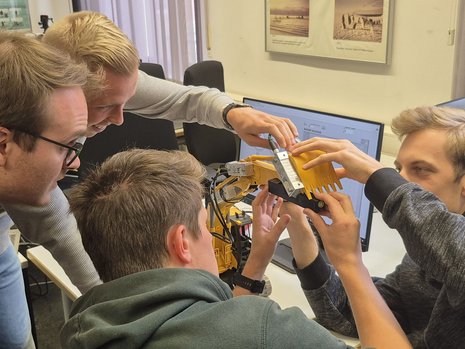
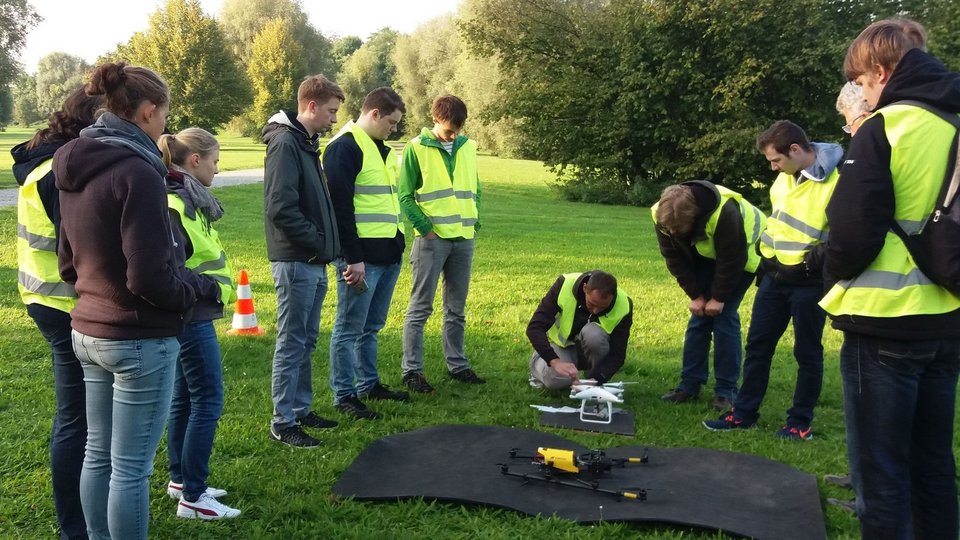
Mediation of contents in practical project work
Exciting business contacts at home and abroad
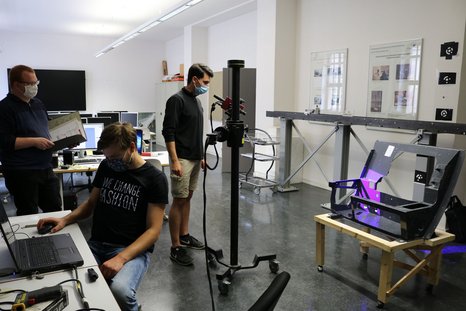
Most modern measuring instruments and software
Numerous laboratories with extensive equipment and competent support
The opportunity to study abroad
Learning foreign languages
To acquire further soft skills for a professional life as an executive
Study
10%Deepened basics
17%Engineering Surveying
18%Landmanagement
56%compulsory elective incl. Master thesis
The completely modularized course of study can be completed full-time (3 semesters) or part-time (5 semesters). By grouping the main subjects Engineering Surveying and Landmanagement, the course can be started in the winter semester as well as in the summer semester. In all modules, rhetoric, presentation techniques, scientific and interdisciplinary work and teamwork are encouraged. Competences in marketing, leadership and management can be acquired in interdisciplinary elective courses.
Semester
1-2
Summer semester: Engineering Surveying
Geodesy, measurement data analysis, engineering geodesy, project work engineering surveying and elective courses.
Semester
1-2
Wintersemester: Landmanagement
Landmanagement, real estate cadastre, spatial and urban land use planning, land readjustment, geodata management, project organisation and project control, project work landmanagement and elective courses.
Semester
1-2
Elective courses
In both specialisations, compulsory modules of 20 credits must be completed. A further 10 credit points per specialisation are to be acquired in elective subjects. These can be chosen in consultation with the Dean of Studies, the courses offered in all master's degree programmes at the HFT Stuttgart or other universities. This strengthens interdisciplinarity.
Semester
3
Final semester & Master Thesis
In the final semester, the focus is on research work and the Master's thesis. With the final Master's thesis, students show that they can independently work on a chosen project in a scientifically sound manner within a given time and complete it successfully. Tasks result from research work of the professors or from cooperation with practice. Suggestions from students are gladly taken up. The Master's thesis can of course also be completed at partner universities or companies abroad. The master thesis must be presented and defended in a seminar. Examples of Master's thesis topics from previous years.
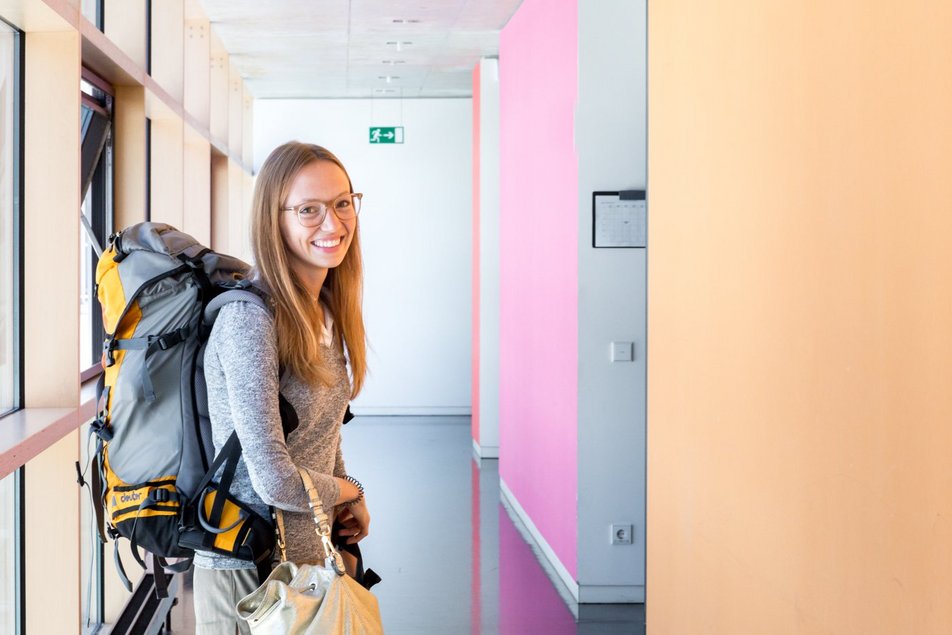
Our professors encourage us to carry out experiments independently and also to take paths that are not considered to be common practice. In this way we can learn from our tasks and grow from them. Even if one or the other measuring process does not run as expected, we are always driven to keep trying and learn from our mistakes, I appreciate that very much.
Stays abroad
What does a stay abroad during my studies offer me?
Enrichment of individual education,
opportunity to establish contacts and expand networks,
confrontation with cultural traditions,
improvement of intercultural competence and foreign language skills,
strengthening of personal character traits (independence, flexibility, initiative, assertiveness).
How do I integrate a stay abroad into my studies?
during a study semester
during the final thesis
A stay abroad is explicitly supported by the study program! In the field of surveying and geoinformatics of the HFT Stuttgart there are numerous international university partnerships and further foreign contacts to companies and institutions.
For preparation and planning of a semester abroad you can contact the International Office of the university, or the international representative of the Department of Surveying Prof. Dr. Paul Rawiel.
Partner universities and contacts abroad
Especially studying at a partner university in the course of an exchange semester offers the following advantages:
simple application procedure
regulated recognition of achievements
no tuition fees
easier access to student residences
Partner universities in America
Federal University of Paraná
Curitiba
Brasilien
University of El Salvador
San Salvador
El Salvador
Cundinamarca University
Barrancabermeja
Kolumbien
Technologico de Monterrey
Monterrey
Mexico
Autonomous University of Yucatan (UADY)
Yucatan
Mexico
Partner universities in Asia
Anna University
Chennai (Madras)
Indien
CEPT University
Ahmedabad
Indien
Indian Institute of Information Technology and Management
Trivandrum
Indien
University of Kerala
Thiruvananthapuran
Indien
Universiti Teknologi Malaysia (UTM)
Jahor
Malaysia
Istanbul Technical University
Istanbul
Türkei
Partner universities in Europe
University of Architecture, Civil Engineering and Geodesy
Sofia
Bulgarien
Ecole Supérieure des Géomètres et Topographes (ESGT)
Le Mans
Frankreich
Università degli Studi di Parma
Parma
Italien
Technical University Riga
Riga
Lettland
Moscow State University of Geodesy and Cartography
Moskau
Russland
Foreign contacts in Africa
Strydom & Associates Land Surveyors
Windhoek
Namibia
Foreign contacts in America
Hughes Surveys & Consultant Inc.
New Brunswick
Kanada
Cyra Technologies
Oakland
USA
Flatirons Surveying Inc.
Boulder
USA
Meridian Surveying Engineering Inc.
San Francisco
USA
Woods Land Surveying
San Diego
USA
Foreign contacts in Asia
Ed. Züblin AG Singapore
Singapore
Singapore
United Surveyors Pte. Ltd.
Singapore
Singapore
Wang & EF Tan Associates
Singapore
Singapore
Foreign contacts in Australia
Qasco Surveys Pty. Ltd. - seit 2013 übernommen von der AAM Group
South Brisbane, Queensland
Australien
School of Geography Planning and Environmental Management
St. Lucia, Queensland
Australien
ERSIS Australia
South Brisbane, Queensland
Australien
Survey 21 Pty. Ltd.
Camberwell, Victoria
Australien
Yasco Northern Surveys Pty. Ltd.
Stuart Park
Australien
Trimble New Zealand
Riccarton, Christchurch
Neuseeland
Foreign contacts in Europe
Aalborg University, Dept. of Development & Planning
Aalborg
Denmark
GEODE
Chambery
France
Jaques Boch - Geometre Expert D.P.L.G.
Chambery
France
APR Services Ltd.
London
Great Britain
Initial Land Surveys, Central Depot
Sheffield
Great Britain
European Academy Bolzano
Bolzano
Italy
Surveyor Josef Raffeiner
Eppan
Italy
SISCAM S.r.l.
Florence
Italy
Societa Generale Di Topografia S.r.l.
Reggio Emilia
Italy
Vorarlberger Illwerke AG
Bregenz
Austria
Engineering Consortium Surveying AVT ZT
Imst
Austria
GIS Market Support Association
Moscow
Russia
NAVGEOKOM
Moscow
Russia
Trimble Nordic
Danderyd
Sweden
Leica Geosystems AG
Heerbrugg
Switzerland
Terra Surveys AG
Zurich
Switzerland
University of Zurich-Irchel, Institute of Geography
Zurich
Switzerland
STRAT geodetske storitve d.o.o.
Velenje
Slovenia
Institut Carografic de Catalunya
Barcelona
Spain
Funding / Scholarships
In addition to BAföG, scholarships can also contribute to the financing of studies. The HFT Stuttgart supervises two scholarships:
HFT scholarship
Germany Scholarship
Further information can be found under "Financing".
Application & admission
The application for the Master's programme in Surveying is done online.
The prerequisite is an above-average degree - grade average 2.5 or better - from a German university or a comparable foreign university with at least three years of standard study in the profile Surveying and Geoinformatics.
Our graduates have a wide range of career opportunities, both as independent engineers and in management positions in business and public administration. The main focus on landmanagement and engineering surveying qualifies them for various fields of geodesy. Both in the classical fields of geodesy as well as in new fields of work resulting from digitalisation, the energy revolution or the development of smart cities, young professionals are urgently sought. So an interesting and diverse field of work is waiting for you.
Fields of activity
as self-employed engineers
as a salaried employee or employee in companies or public administration
Qualification for a legal clerkship for the higher surveying administration service is achieved with the Master degree
Employees in industry (e.g. automotive industry, keyword "mobility")
research and development
Fabian Müller
LBBW Immobilien Kommunalentwicklung GmbH
Since my master's degree, I have been constantly working as a student trainee in various companies. Thus I immediately found a job or was taken on.
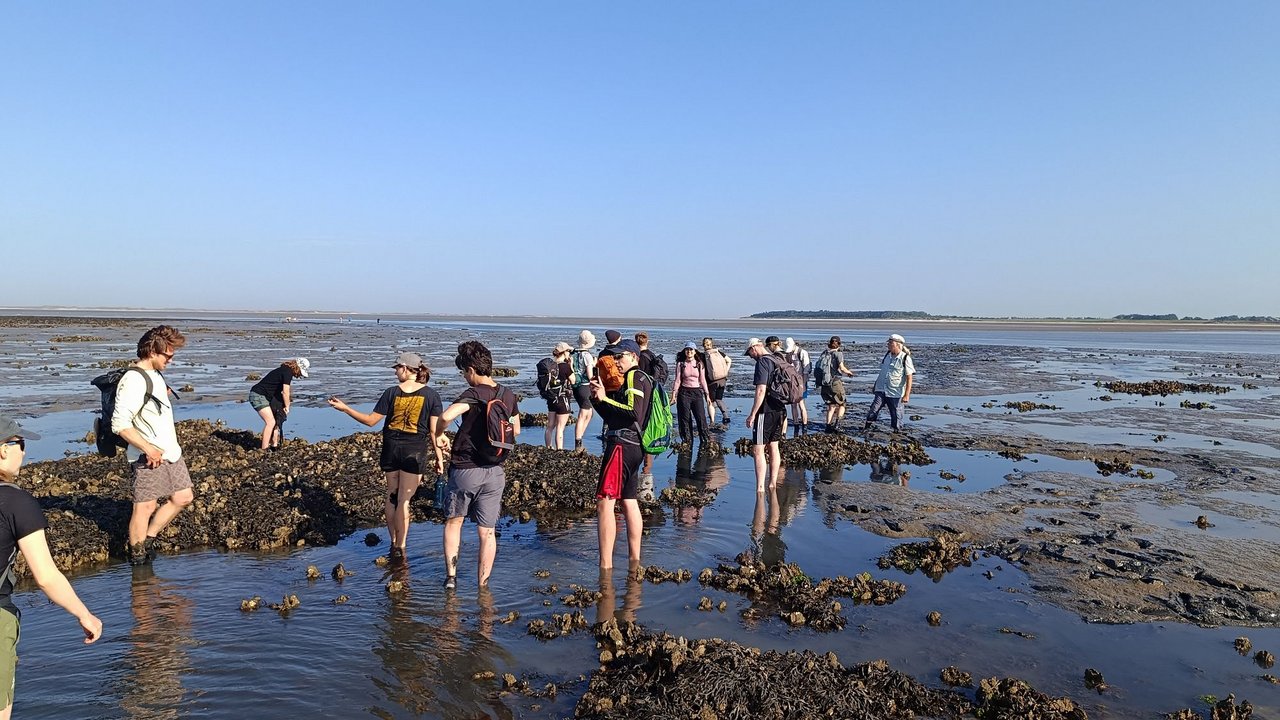
A week of GIS, cultural exchange and a North Sea holiday
With ArcGIS, Esri offers one of the world’s best-known software platforms in the field of geographic information systems (GIS). Once a year, Esri organises the Esri Summer Camp on the North Sea island of Föhr. Students from a range of disciplines who are studying GIS and would like to learn more about the software’s capabilities are invited to attend.
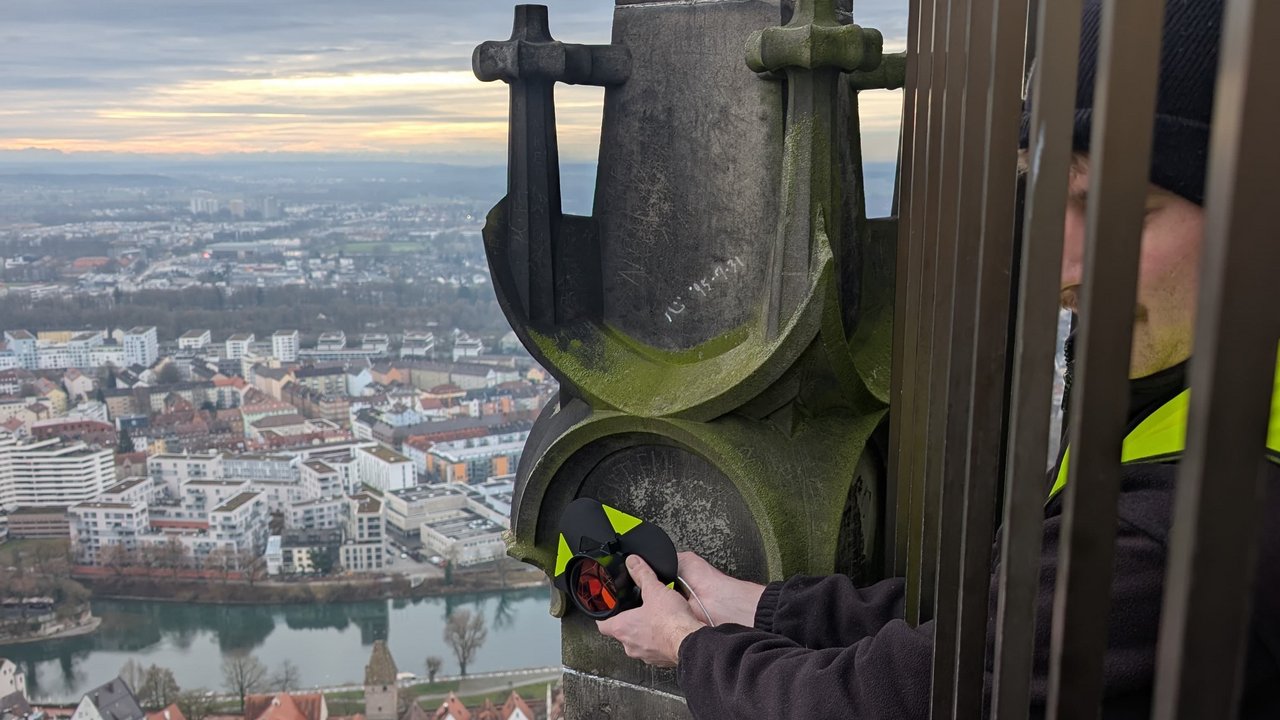
When high tech meets history: surveying at Ulm Minster
Master's thesis on the analysis and optimisation of geodetic monitoring measurements at Ulm Minster
For over 100 years, Ulm Minster has been regularly surveyed in order to detect changes at an early stage. In his master's thesis, Jonathan Hiller is further developing this monitoring concept using modern surveying methods. The thesis is being written in close cooperation with the City of Ulm and the Ulm Minster Building Guild.
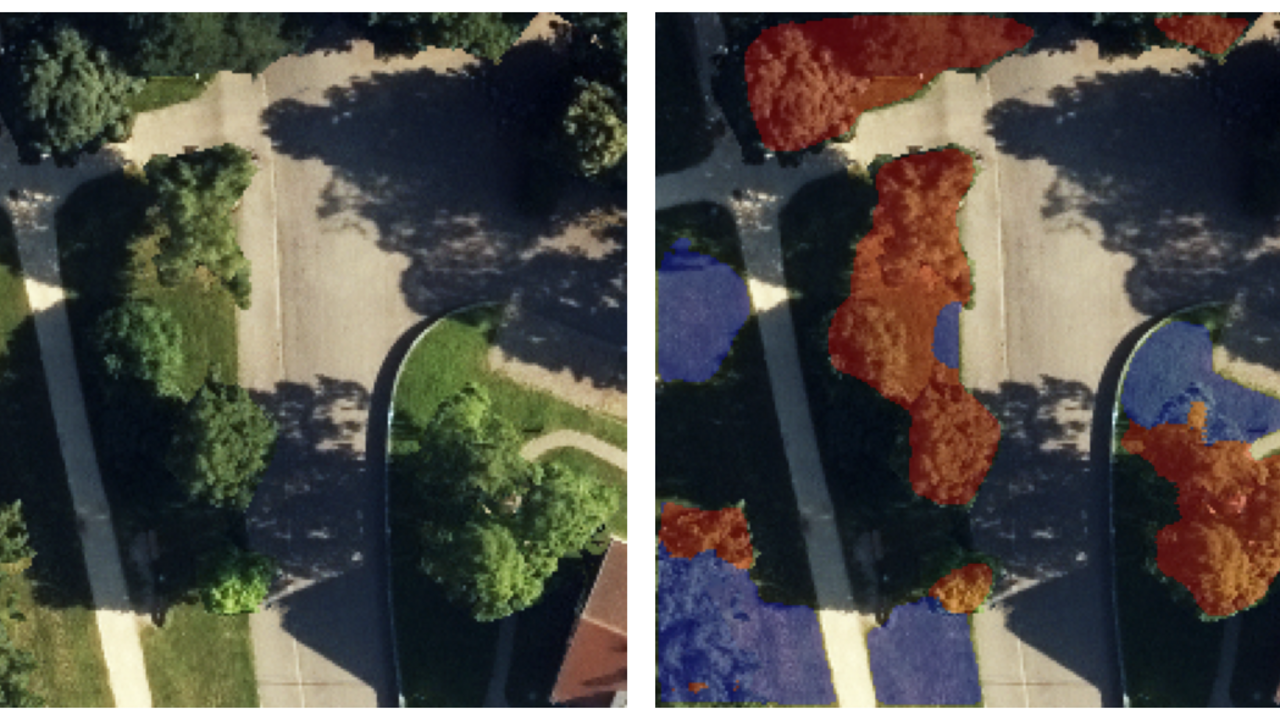
Artificial intelligence in surveying and geoinformatics
Urban vegetation mapping with deep learning
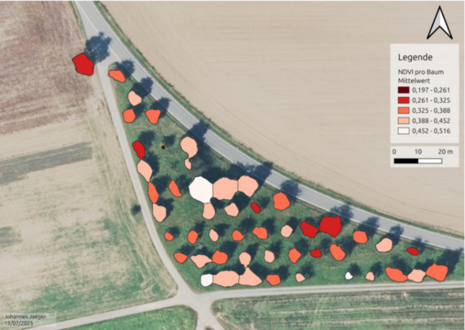
Artificial intelligence tools are becoming increasingly common in the field of geomatics. This includes courses tailored to surveying or geoinformatics, as well as the opportunity to apply the acquired knowledge in the GeoAI lab in a practical setting. We would like to present a research example related to vegetation mapping in urban areas, which originated as a course project.
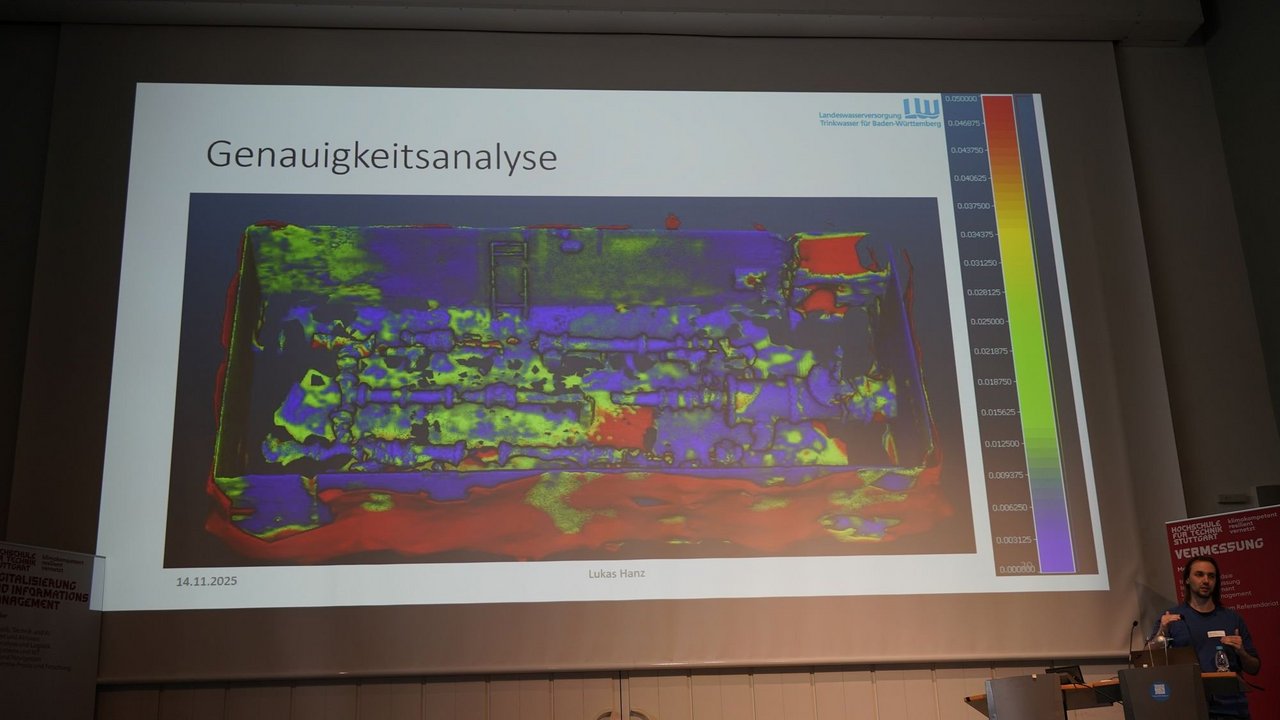
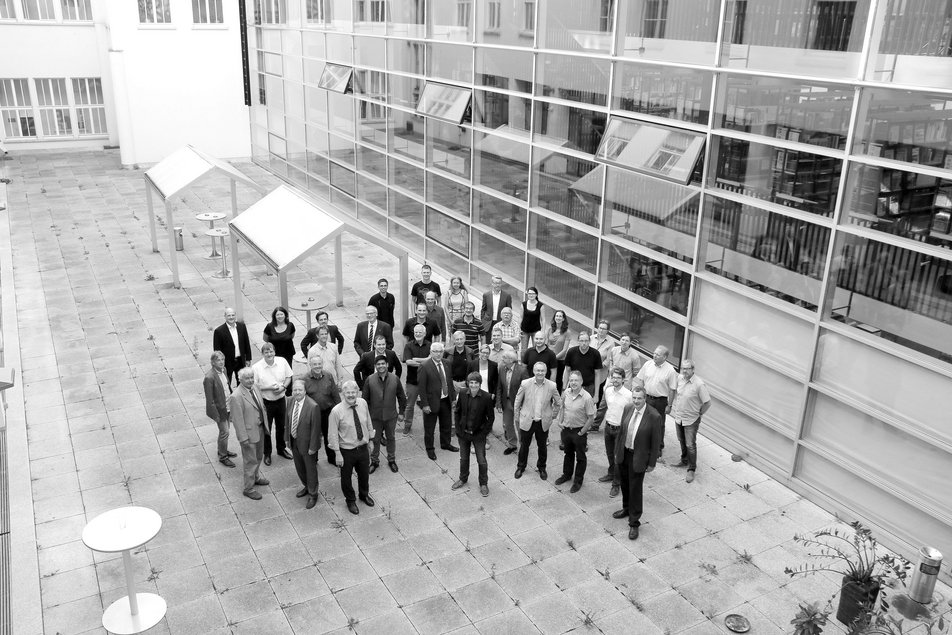
Around 130 participants gathered on 14 November for the 15th "Vermessungsingenieurtag" in the auditorium of Stuttgart University of Applied Sciences. The focus was on engineering surveying, BIM and machine control. The event was organised by the Surveying Department and supported by the Friends Association. Prof. Dr. Alexander Beetz led the event.
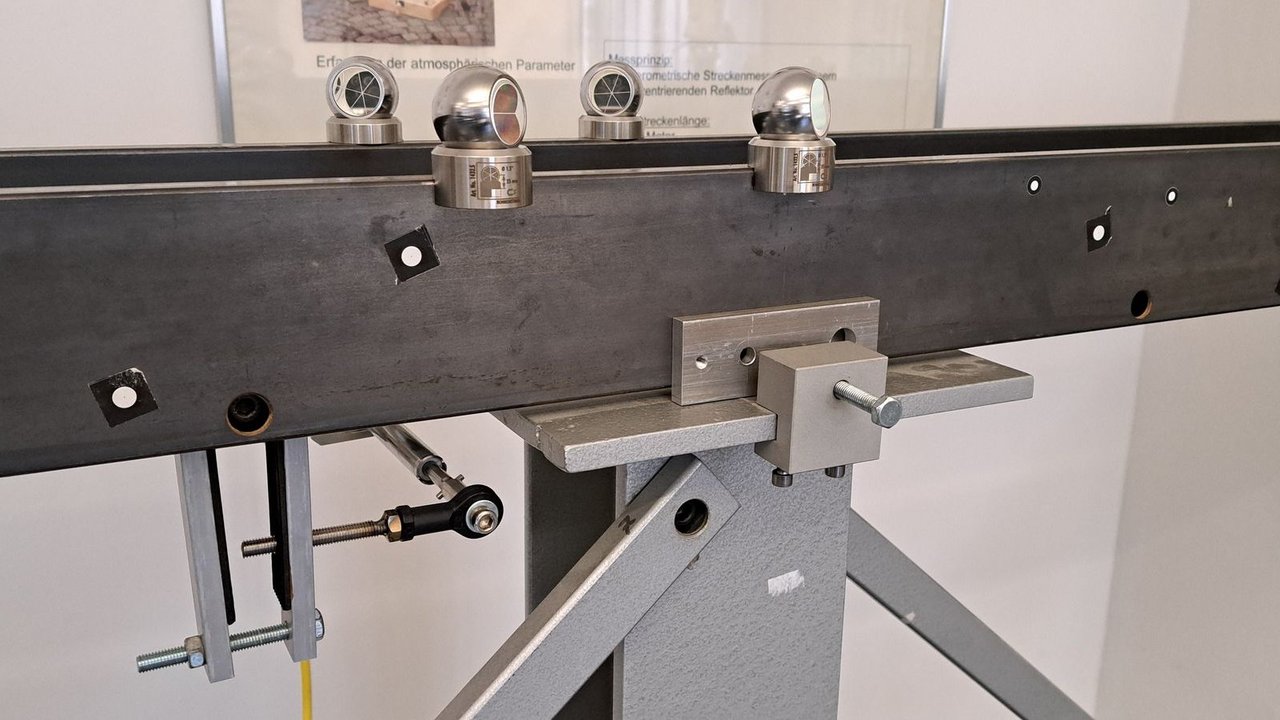
Training in the field of monitoring surveying and GEO monitoring
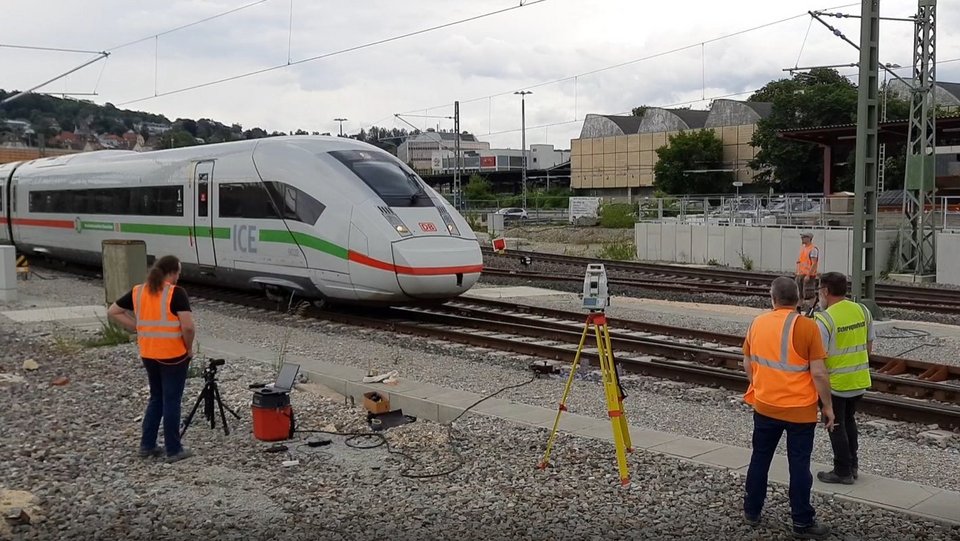
As part of the module ‘Current Topics in Geomatics (AKG)’, students in their 6th and 7th semesters of the Bachelor's programme in Surveying and Geoinformatics attended a block course on the topic of monitoring – a central component of modern engineering geodesy. The aim of this practical course was to give students a comprehensive insight into the geometric monitoring of engineering structures and infrastructure facilities.
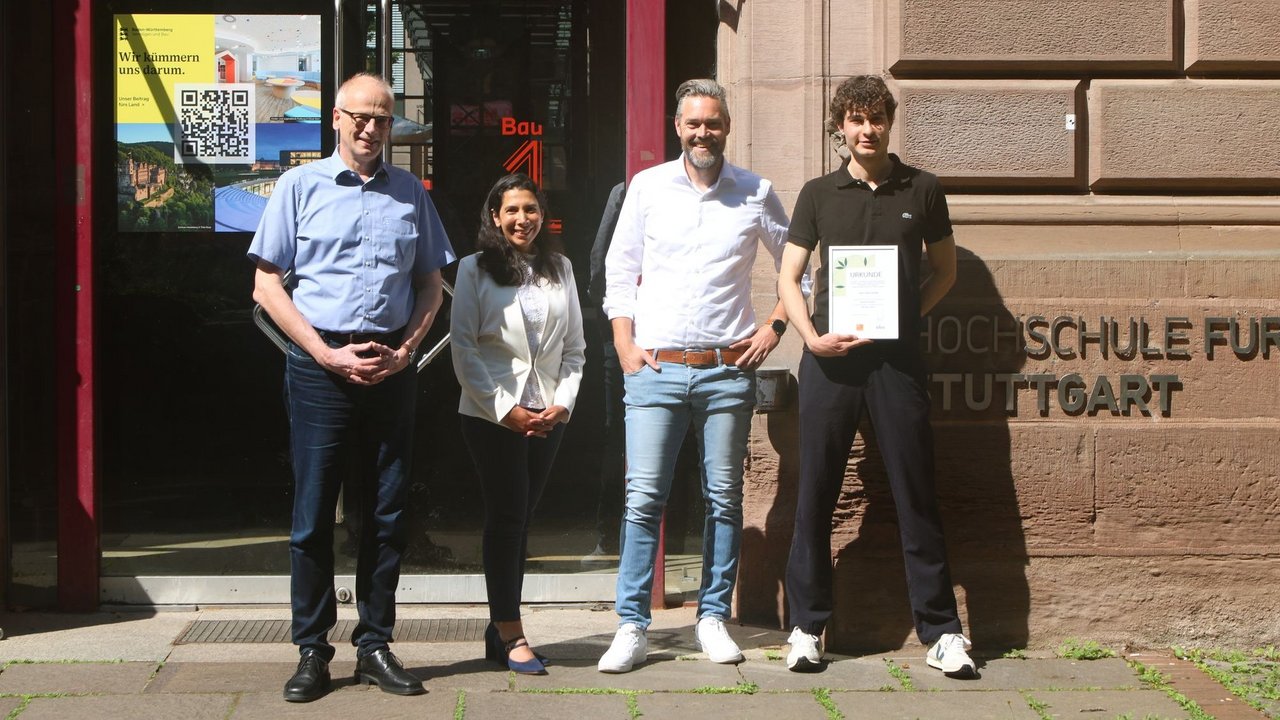
Bachelor thesis honoured with the ‘BDB Sponsorship Award for Students 2025’
Paul Gräfe from the Surveying and Geoinformatics degree programme has been working on GIS-based analysis and Bayesian networks to assess flood risks in agriculture during heavy rainfall events. His Bachelor's thesis on this topic was honoured with the BDB prize and the results were published.
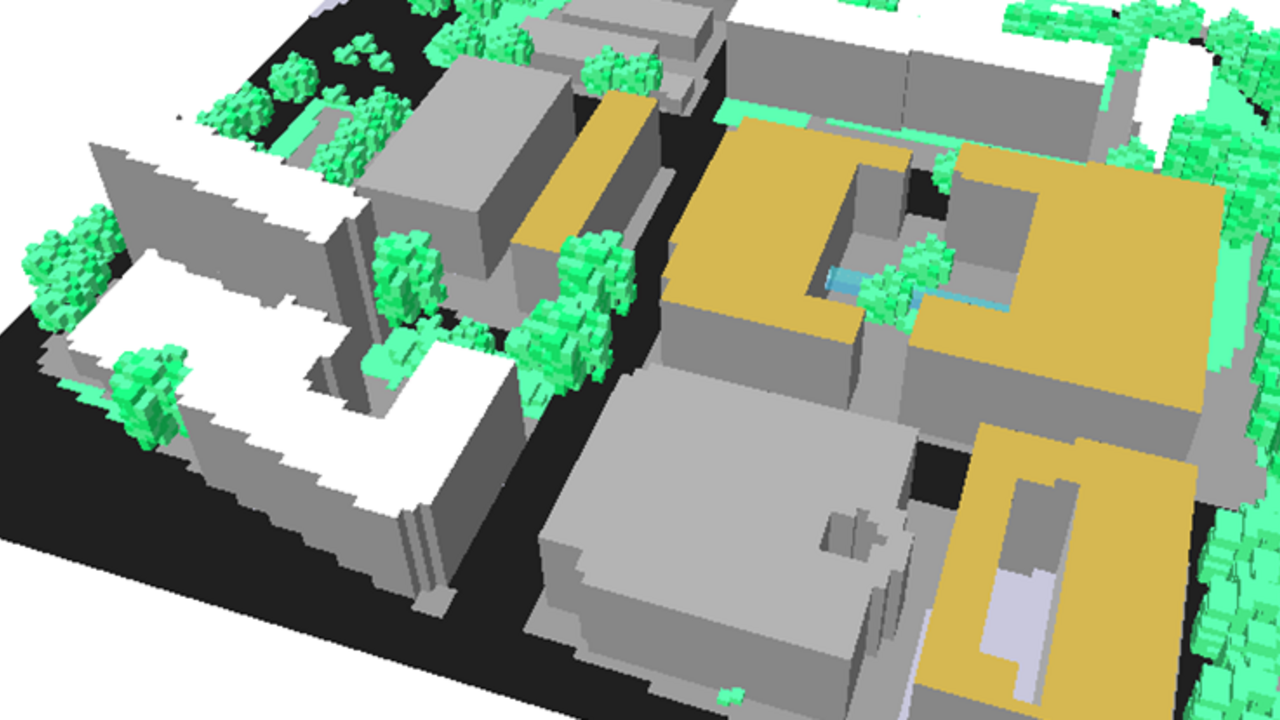
HFT Stuttgart pioneers research into the urban microclimate
Geoinformatics is used to model microclimates for more sustainable urban planning
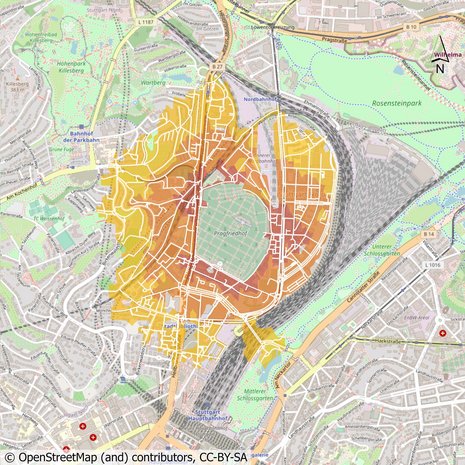
Research is currently being conducted at Stuttgart University of Applied Sciences to improve urban sustainability and resilience in the city of Stuttgart with the help of geoinformation systems (GIS) and microclimate simulations. Muhtasimul Islam Rushdi, under the direction of Prof. Dr Angela Blanco-Vogt, is investigating the impact of green spaces on the urban microclimate, with a focus on mitigating the Urban Heat Island (UHI) effect in Stuttgart's urban environment
Master's thesis with an interdisciplinary approach
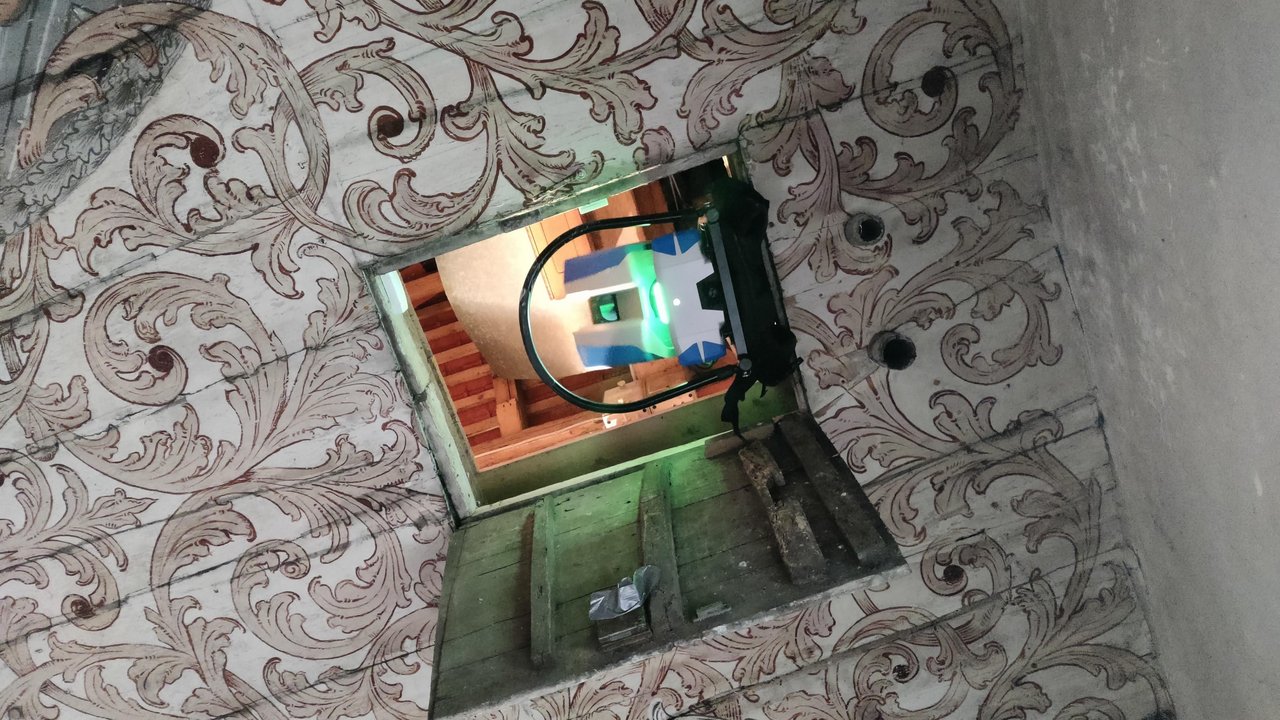
As part of my master's thesis on the investigation of a wooden barrel construction in the Ensmad chapel, I worked together with the Surveying and Geoinformatics degree programme as part of an as-built survey. The aim was to carry out a 3D laser scan to document the structure in detail in the form of as-built plans. This provided the basis for mapping the damage.

![[Image: Anna-Maria Kunzi]](/fileadmin/Dateien/Vermessung/_processed_/0/c/csm_vermessung-geoinformatik-success-kunzi_5e32cb559d.jpg "[Image: Anna-Maria Kunzi]")
![[Image: Anna-Maria Kunzi]](/fileadmin/Dateien/Vermessung/_processed_/0/c/csm_vermessung-geoinformatik-success-kunzi_045d667c8d.webp "[Image: Anna-Maria Kunzi]")
![[Image: Fabian Müller]](/fileadmin/Dateien/Vermessung/_processed_/6/a/csm_vermessung-geoinformatik-success-mueller_d21abb252a.webp "[Image: Fabian Müller]")