Master’s thesis | Max Elmlinger | 5th semester | Winter semester 2023/24
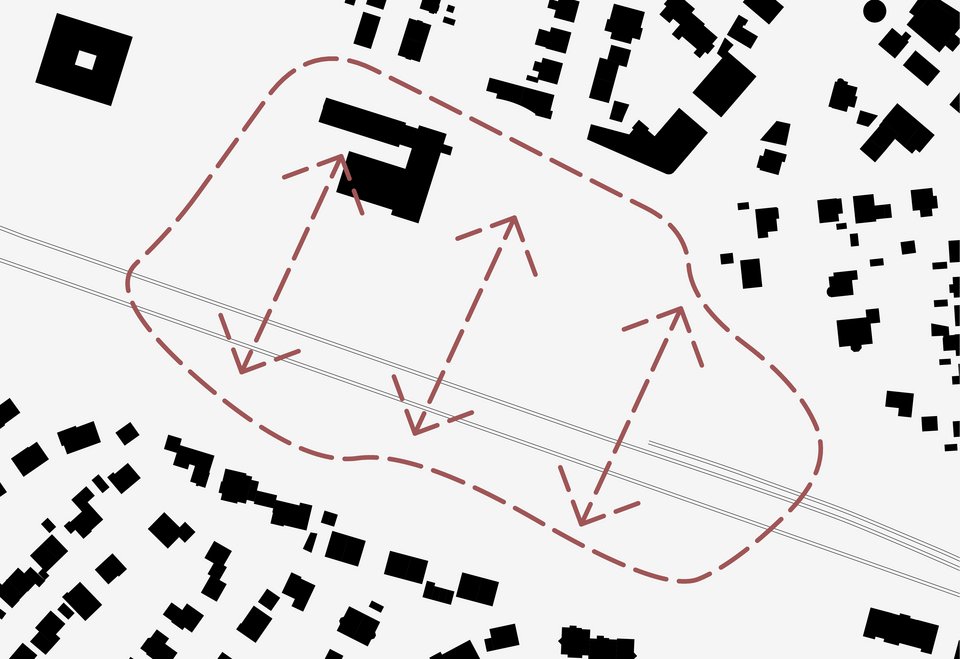
As a central link between urban, regional and inter-regional mobility, railway stations are a crucial component of the transport transition. If one looks specifically at railway stations in Germany outside the major central stations, they rarely serve as adequate mobility hubs. A lack of political interest and the shift towards private motorised transport in the 20th century have led to neglect, leaving many railway stations in a state of disrepair. The physical condition of the buildings, the use of space around the stations and, in particular, the connections to the city are often inadequate.
If we are to succeed in moving towards a climate-friendly future, it is essential to view stations and their surroundings as part of the city and to develop them into modern urban neighbourhoods.
A railway station is more than just a railway station. Depending on the situation, it must link together many modes of transport; it must be a place of transformation; it must be a meeting place; it must be a place to live; it must be a symbol; it must be central; it must be an urban hub; and it must be a place to linger.
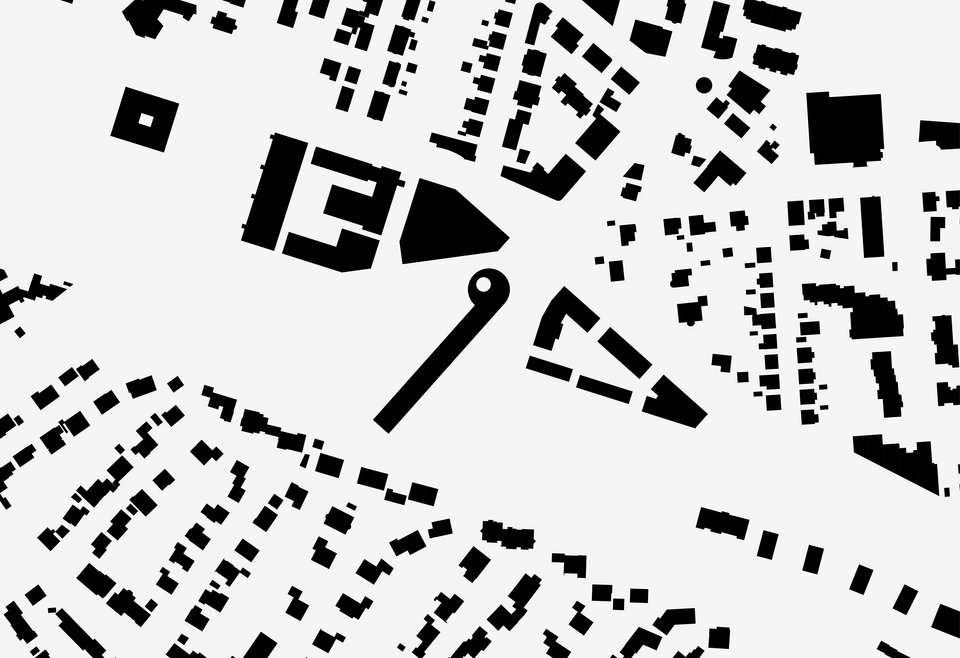
The case study is Kirchheim (Teck) railway station, which was built in the 1970s as a typical complex under the principles of car-oriented urban planning.
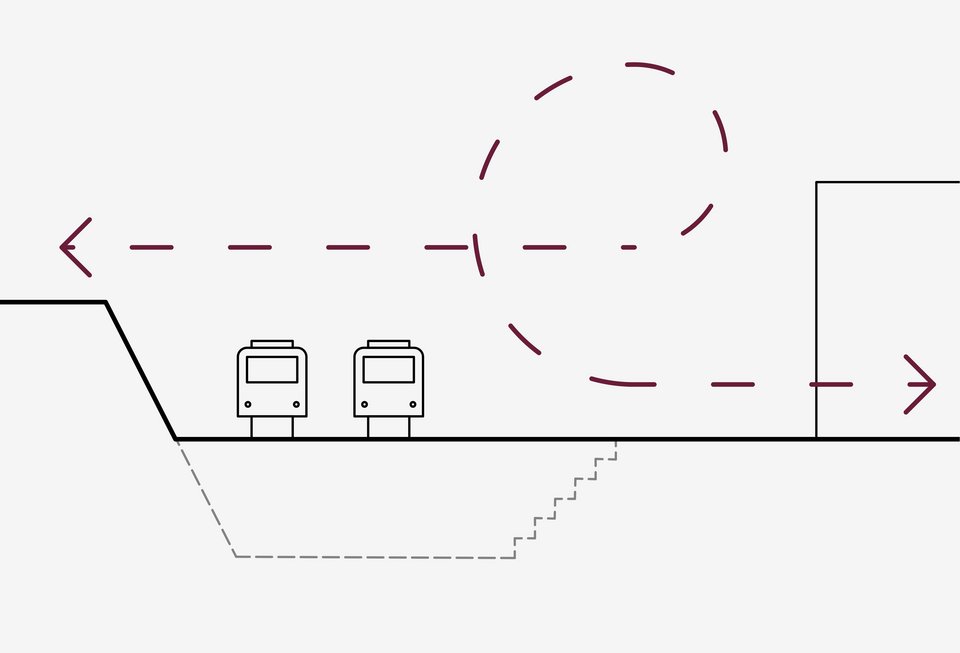
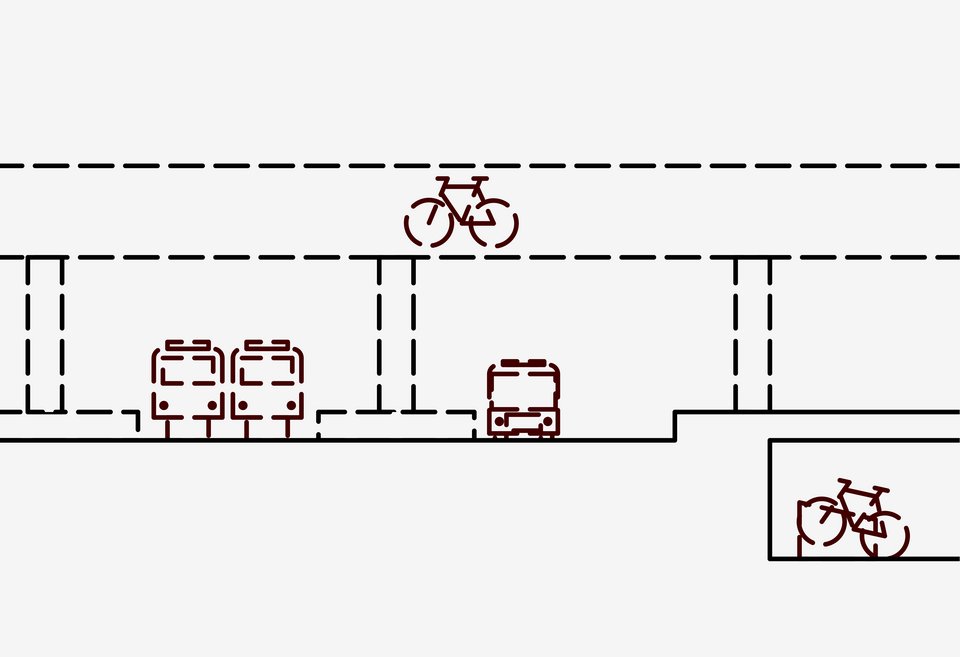
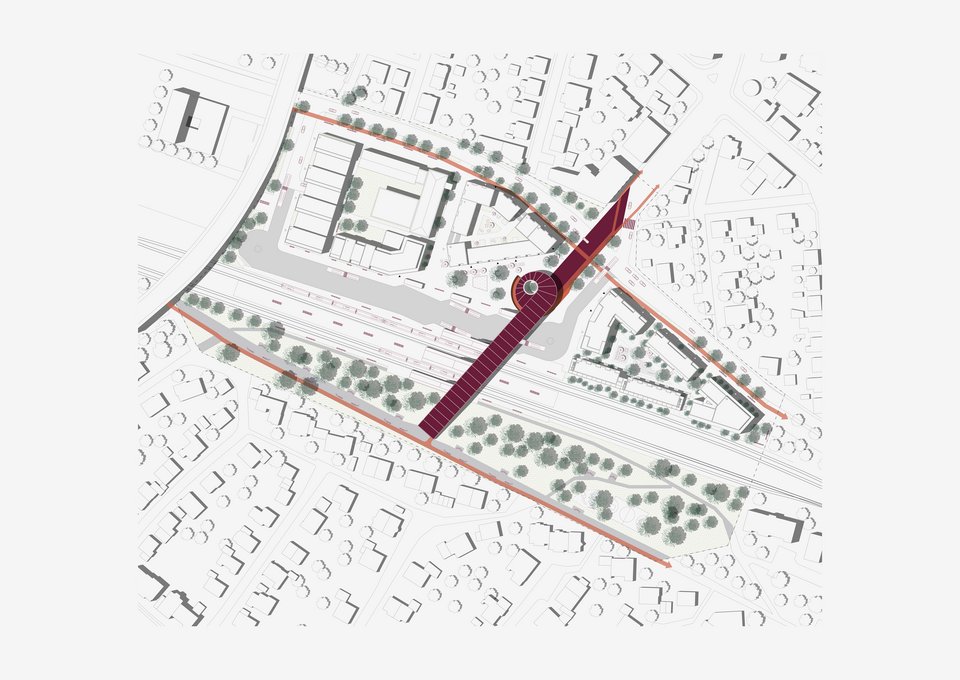
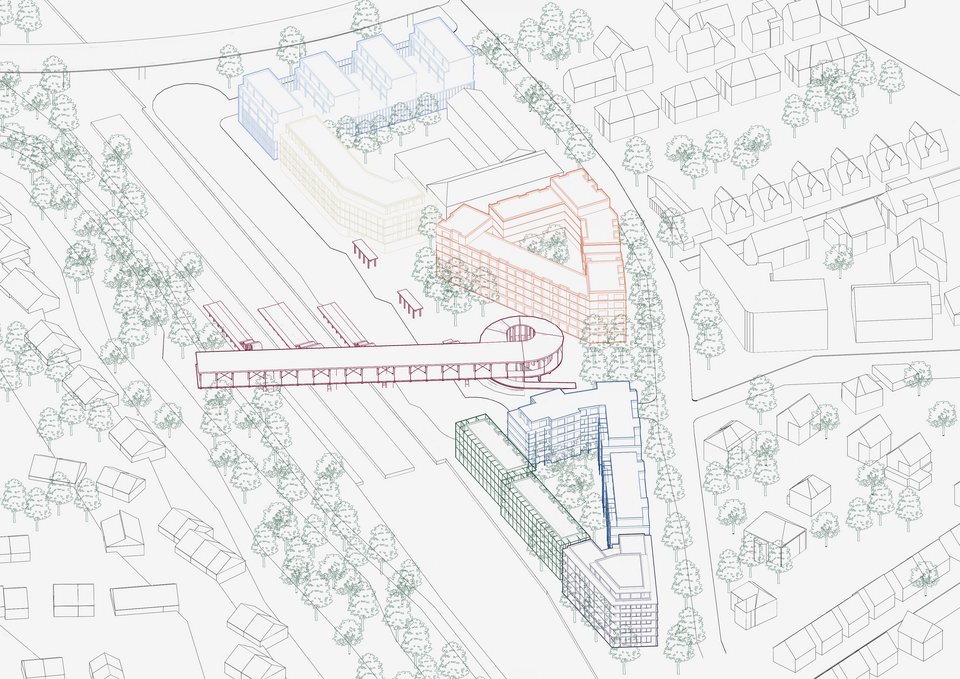
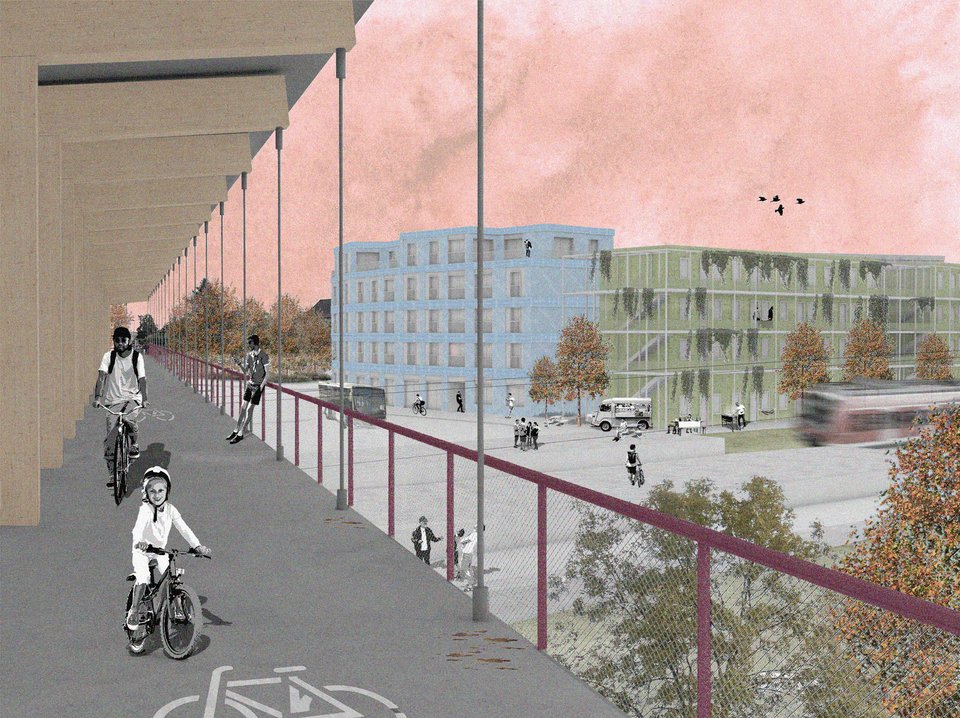
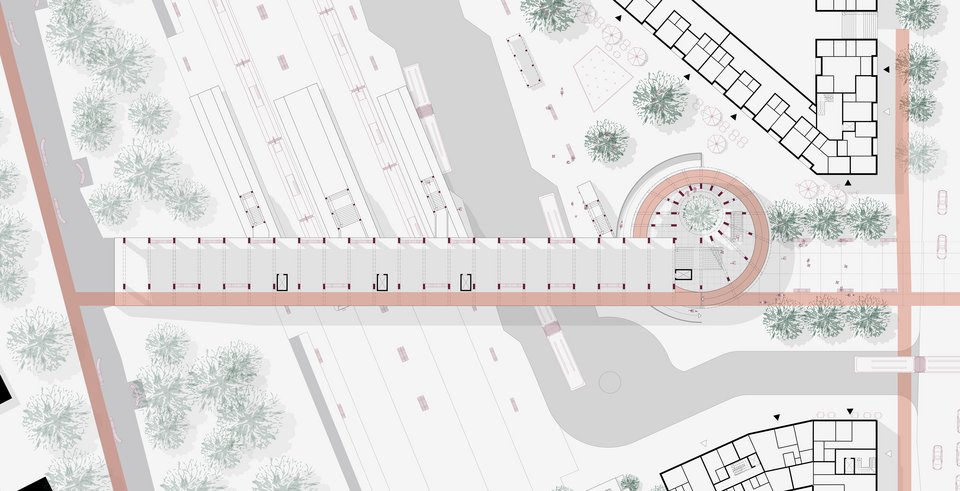
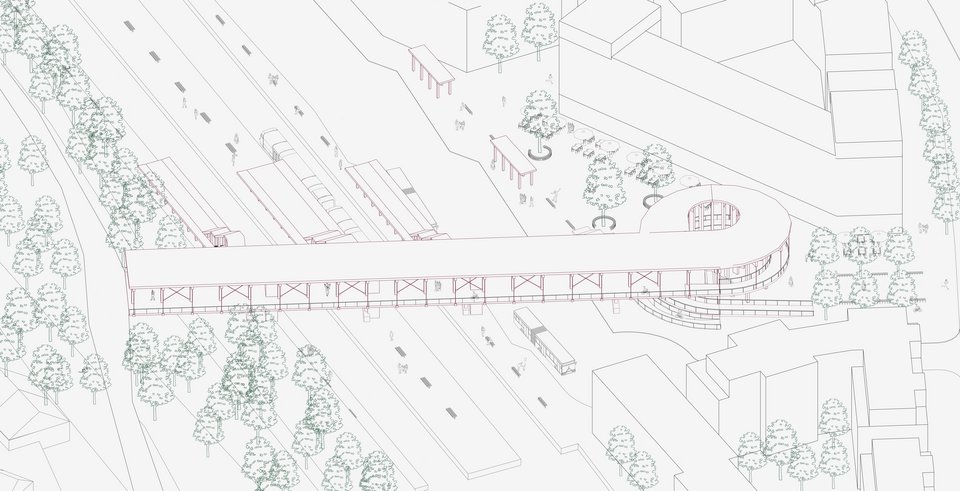
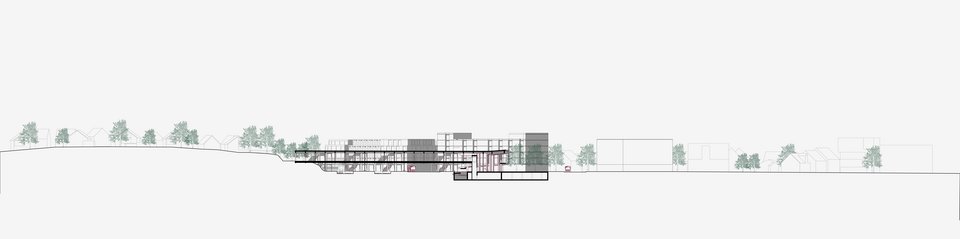
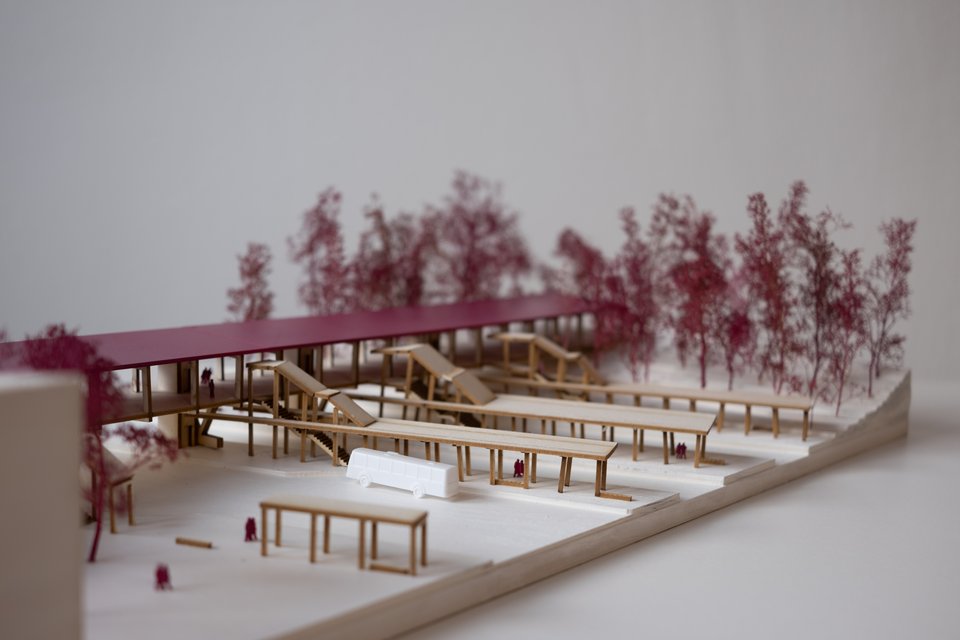
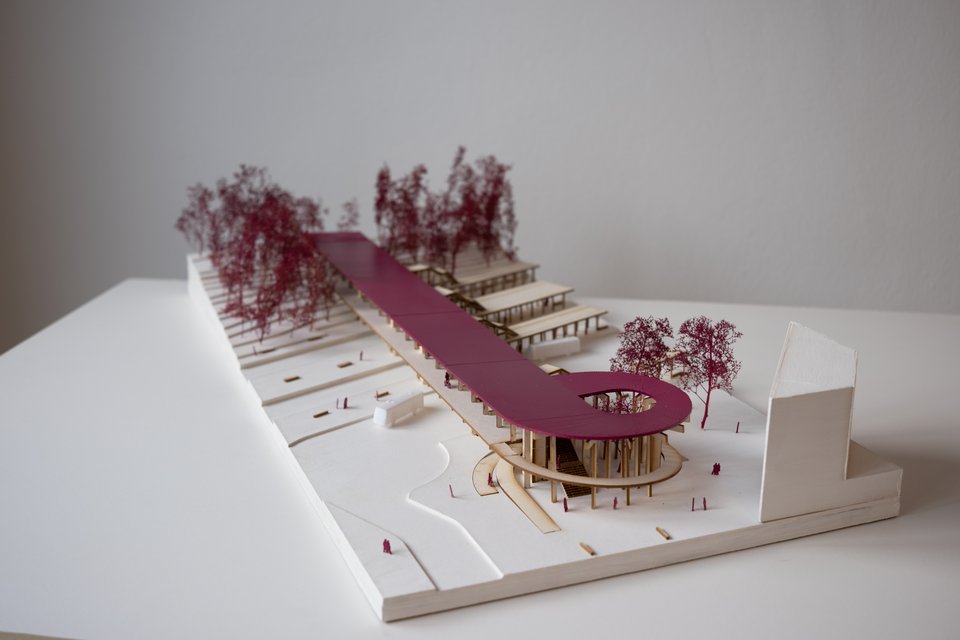
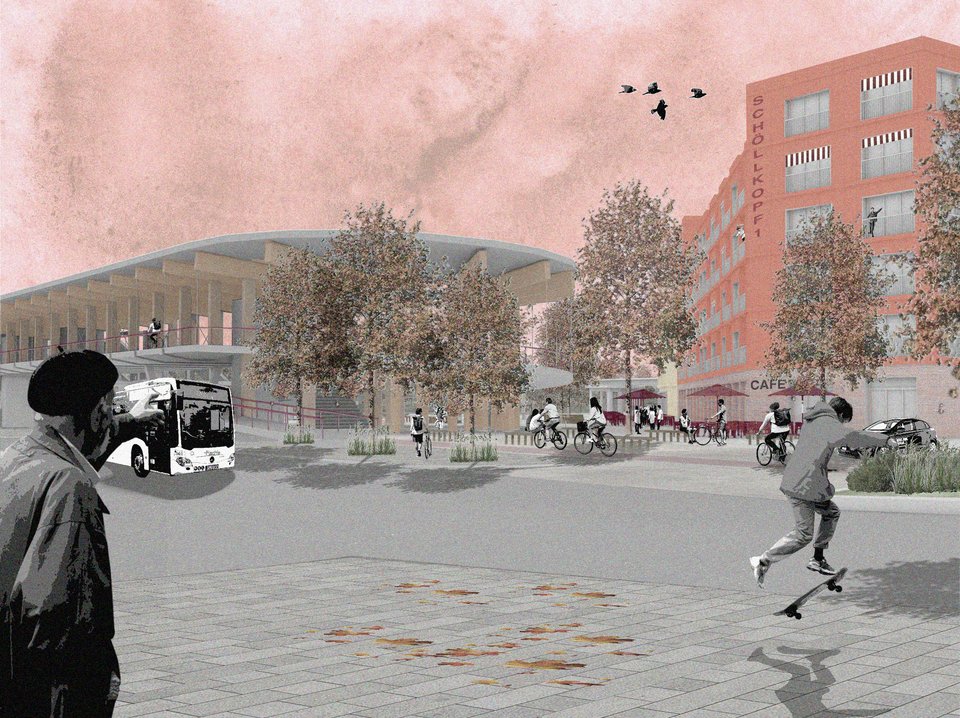
In contrast, the new station consists of a spacious bridge that connects all low-emission modes of transport. It links the town centre with Milcherberg to the south and creates a new urban axis for pedestrians and cyclists. The station can be expanded to meet future transport needs.
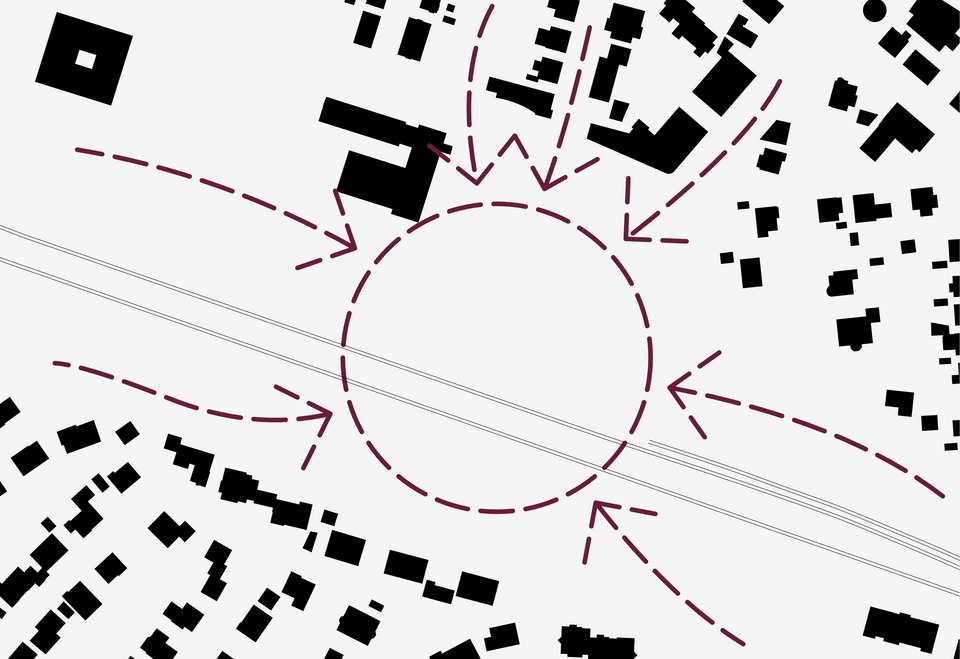
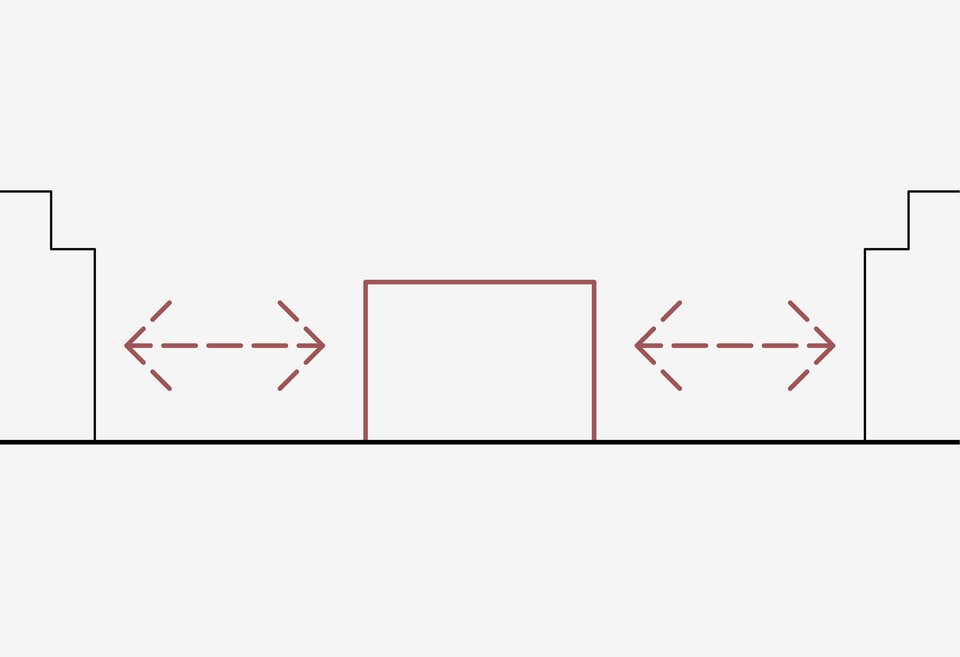
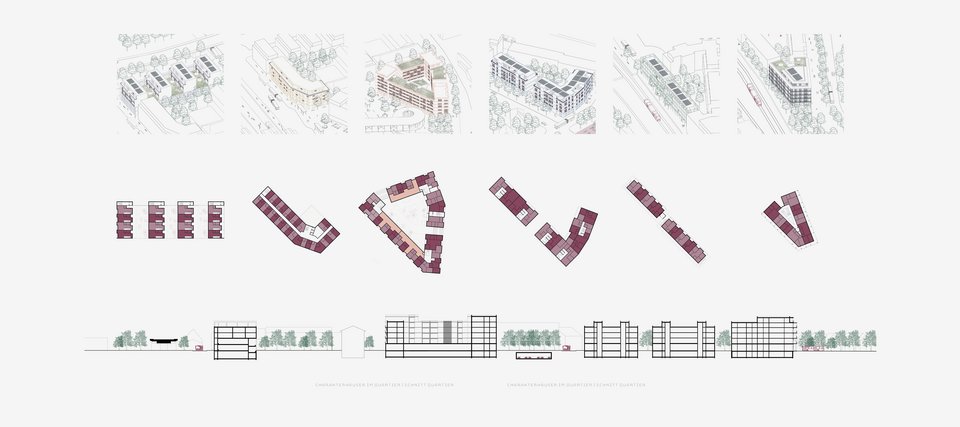
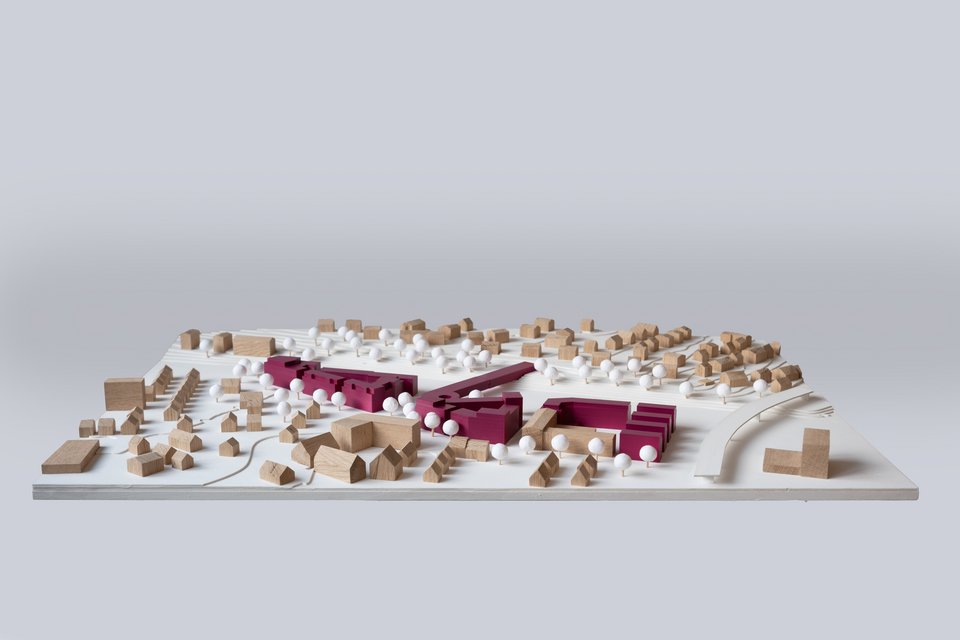
A diverse urban neighbourhood is emerging around the station. The axes of the new development playfully engage with the existing urban fabric and build upon it. Each resulting block responds individually to its surroundings. This gives rise to a wide variety of building types and uses situated around the station. Above all, the station district will be enriched with compact residential units of various kinds to promote low-car living. A public square is being created at the heart of the district. Coming from the city, this opens out onto green spaces, whilst towards the old town an urban ‘gateway’ effect is created. The ground-floor areas of the buildings surrounding the square take over the functions of the station with commercial uses and catering, thereby shifting the heart of activity to the square.
The master’s thesis was supervised by Prof. Dr.-Ing. Gunther Laux and Dipl.-Ing. Malte Novak.