REGAL FÜR RAUM
Laura Capuano, Julia Rudolph
RE:contain’t – the story goes on
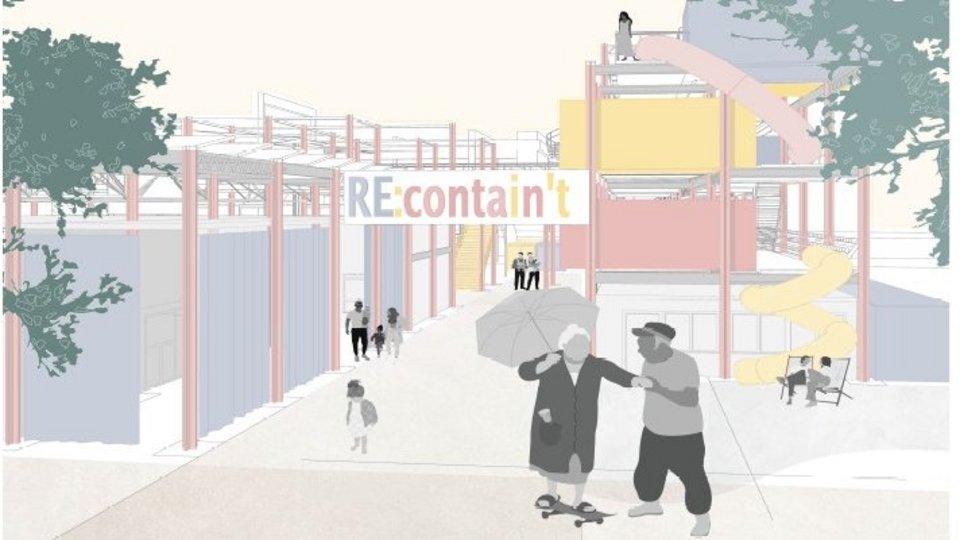
contain’t stands for openness, improvisation and dynamism. Always accessible to everyone – Stuttgart’s subculture for all. Make the most of what little you have and build your world just the way you like it. Adaptability and the ability to respond dynamically to changing circumstances have been its greatest strengths for years. Finding loopholes whilst at the same time creating space to let creativity flourish. All of this is encapsulated in this vision for contain’t’s new home.
Urban Panning Design WiSe 24/25
CONCEPT AND VISION
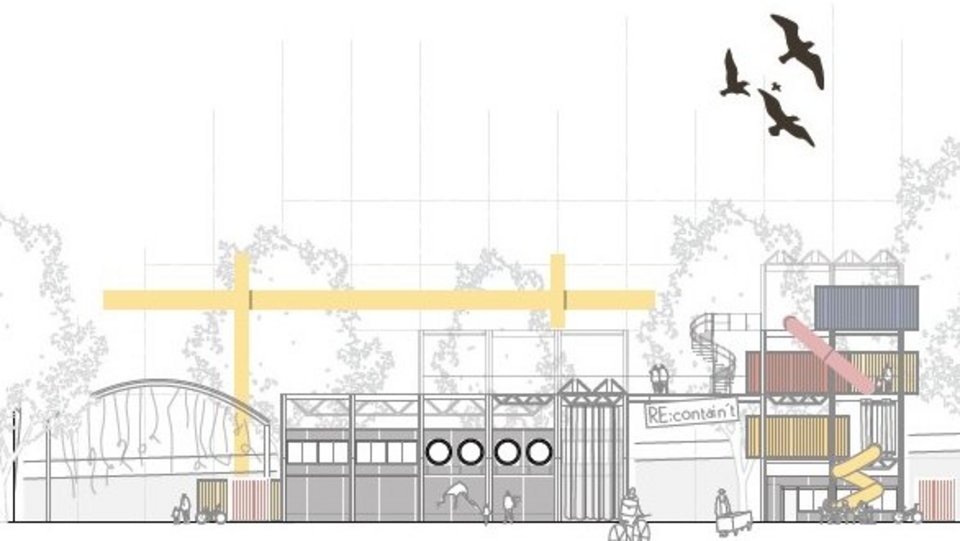
contain´t stands for openness, improvisation and dynamism. Always accessible to everyone, Stuttgart’s subculture for all. Make the most of what little you have and build your world just as you like it. Adaptability and the ability to respond dynamically to changing circumstances have been our greatest strengths for years. Finding loopholes whilst at the same time creating space for creativity to flourish. All of this is encapsulated in this vision for contain’t’s new home.
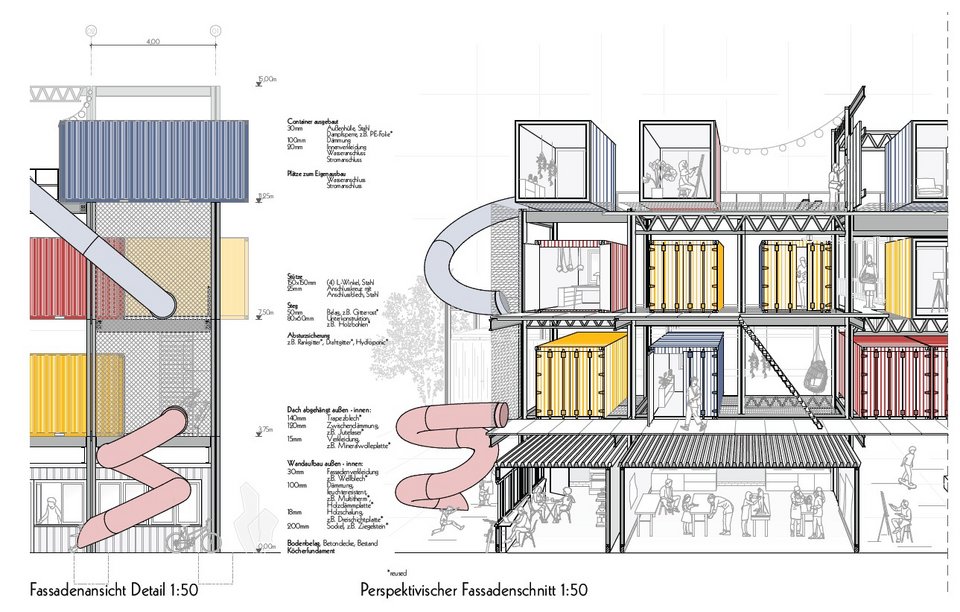
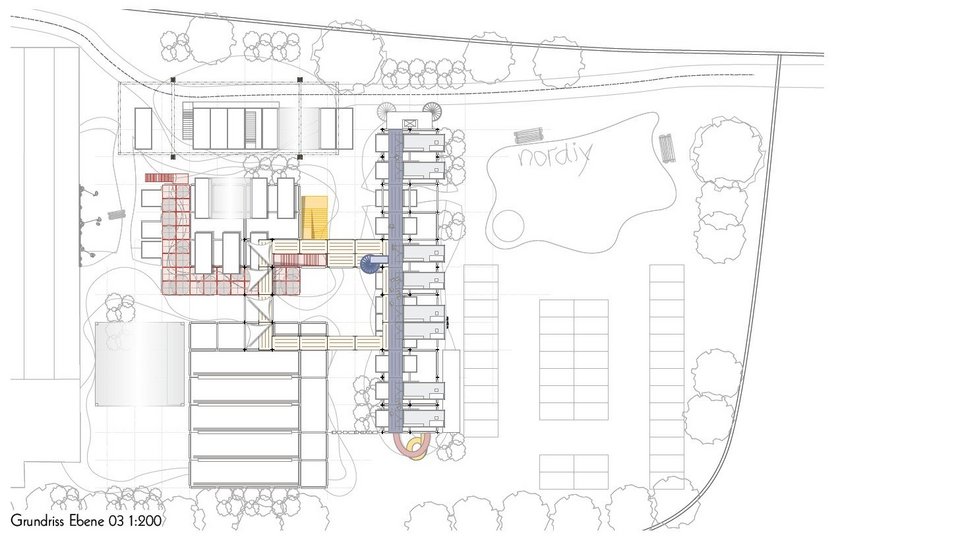
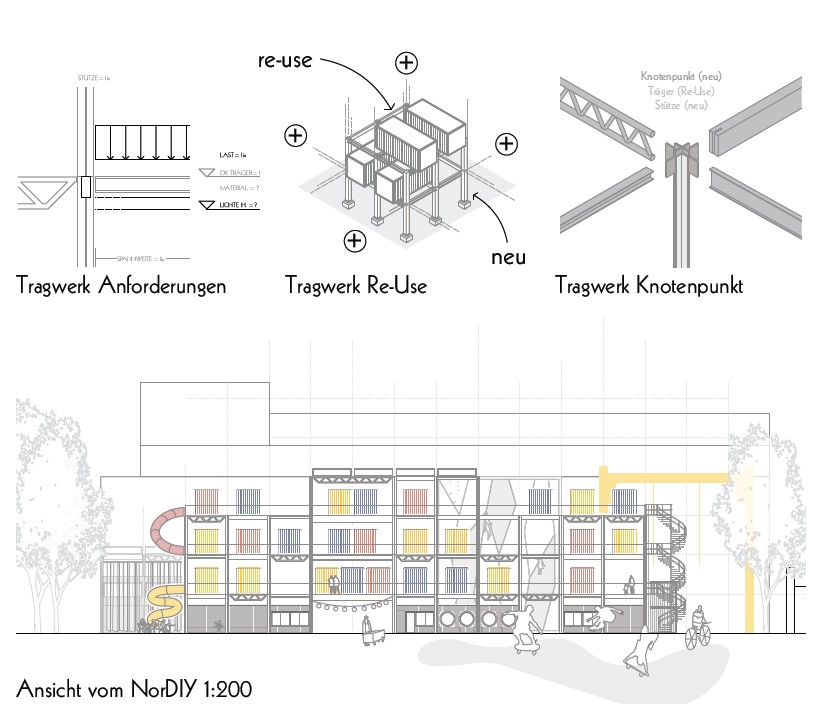
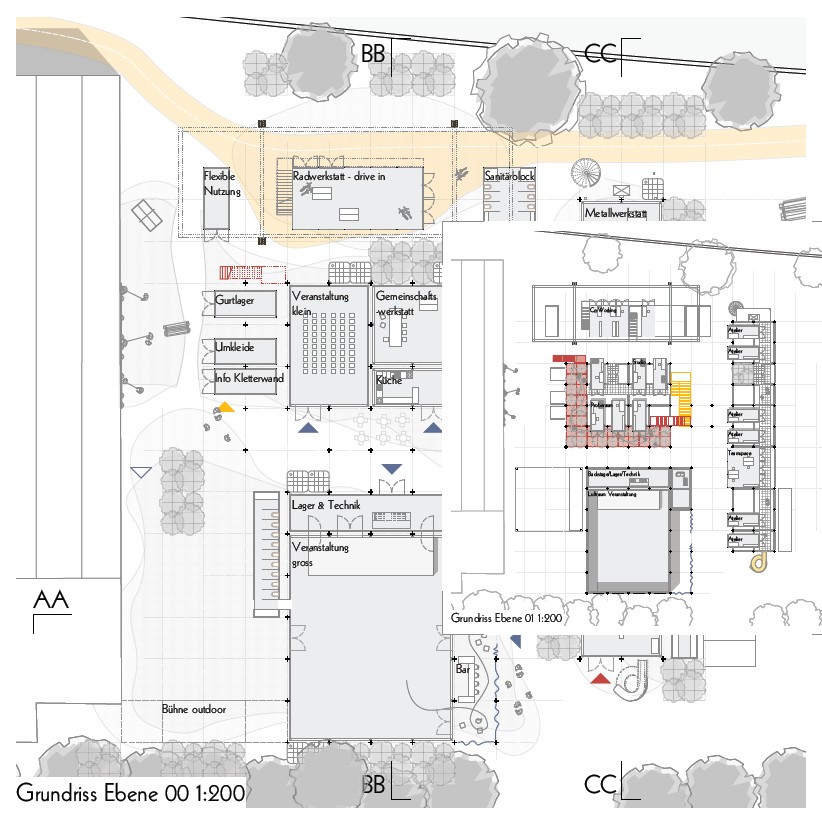
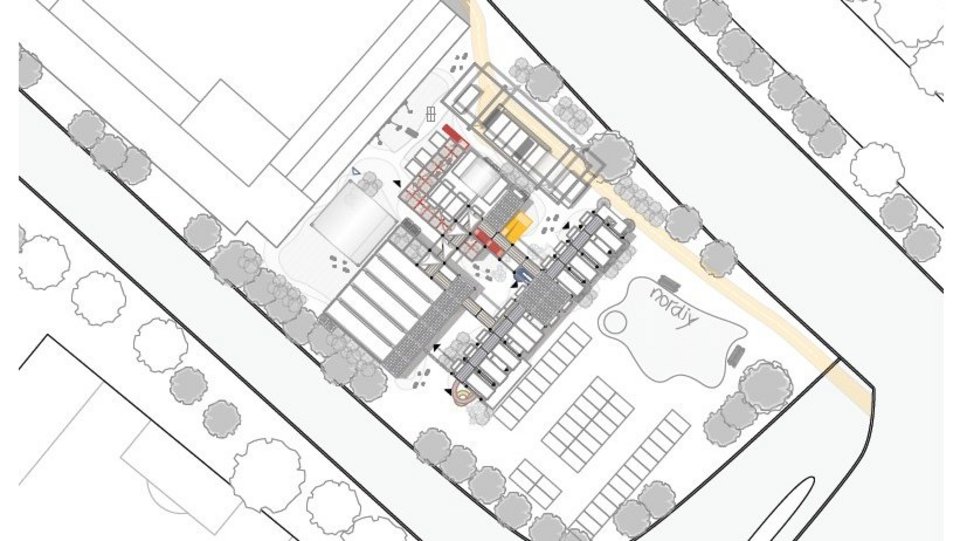
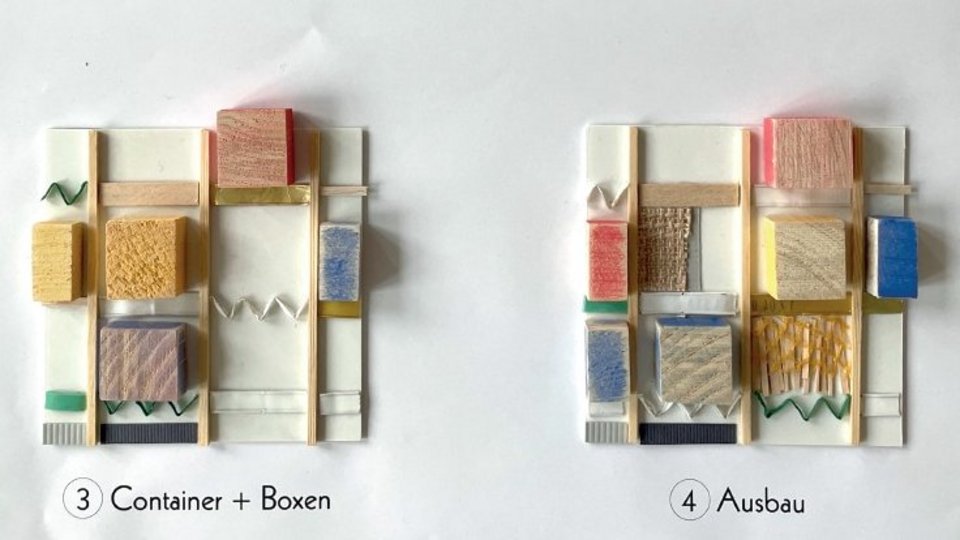
An initially empty shell is being created to house both newly developed spaces and the association’s containers. Furthermore, space is to be provided for flexible further development or spontaneous adaptation. The growing structure is intended to blend into the existing surroundings, to revitalise areas and barriers that are supposedly difficult to use, and to serve as a striking counterpoint to the multi-storey car park and the VfB club grounds. Through the central, open arrangement of the building volumes and the supporting structure, the building is intended to open up confidently in every direction. In addition to the users – contain’t and artists – the sports facilities at the Nordiy skate park are to be expanded to include a climbing area. A key forward-looking component of the cultural centre is the flexible re-use concept for the supporting structure. Here, the newly constructed columns frame the system and are complemented by flexible re-use beams. The majority of the further development is based on this re-use concept.
CLIMATE CONCEPT
Due to the highly dynamic nature of the space and the varying requirements, a low-tech climate concept has been developed which is not optimised for extreme weather conditions, but deliberately relies on the adaptability of the users. The built spaces derive their thermal envelope from wall and ceiling elements. Outdoor air can be drawn in through ventilation slots in the masonry plinth with the aid of parapet elements. In the music and sports areas, where larger numbers of people are expected, a solar chimney is used to achieve the required air exchange rate of 3 m/s. This system works very well in winter due to the cold outside air, whereas in summer the outside temperature is too high to achieve the necessary air exchange rate. However, thanks to the positive side effect of the dark PV panels, the air immediately beneath the roof cladding is heated and thus drawn upwards, allowing it to escape via the solar chimney. In smaller rooms, such as the café and workshop areas, ceiling fans are used to drive air circulation. To provide heat protection in summer, sun sails, nets and PV panels are stretched across the supports. Trellises and hydroponic planting systems ensure a pleasant climate within the built structure during the summer. For example, rain gutters can be used simultaneously as raised beds and fall protection. Water tanks are used to ensure the plants are adequately watered; these are capable of retaining rainwater from the drainage system for extended periods. Furthermore, the green space concept facilitates communal gardening through the preservation of the witch hazel trees and the partial removal of paving from the ground surface. In addition to PV panels, kinetic floor tiles are also used to supply electricity. Particularly in the events area, these can contribute to energy generation during periods of high visitor numbers, thereby powering, for example, the night-time lighting. The shelving is designed as a plug-in system. Three central shafts provide each studio with the option of having its own electricity and water connection. A central plant room is to house not only a battery and a heat pump but also a water treatment system.