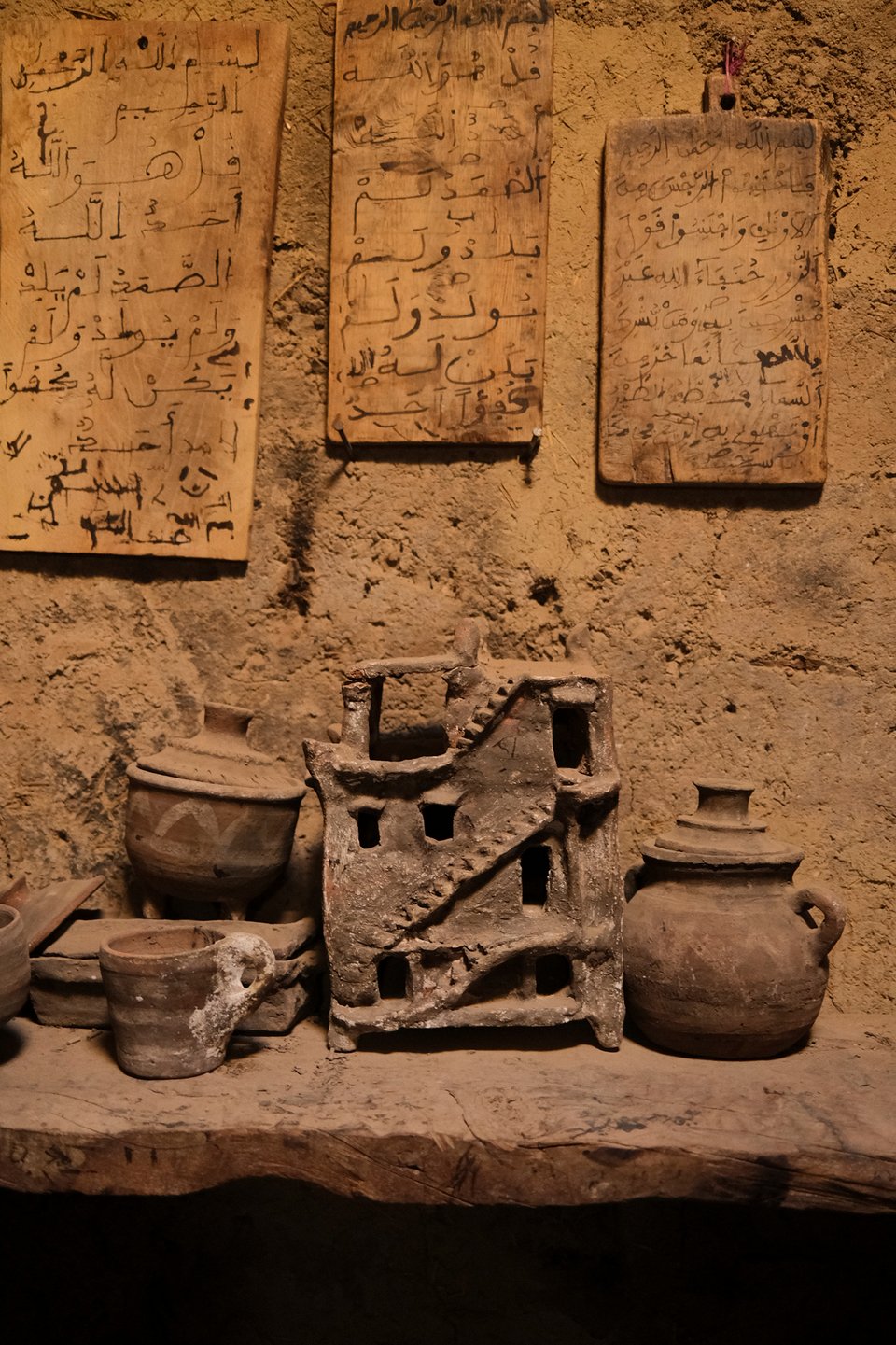
“Community Empowerment in Morocco’s High Atlas” Exhibition design for a cooperative center on the Vivant’e campus, featuring a presentation and sales area and a small museum
The so-called “Happy Valley” of Ait Bouguemez, located in the heart of this geopark, is a region of the country that remains largely unspoiled. The Berber people, who make up the majority of the population there, preserve their own language, culture, and a rich heritage of craftsmanship: artfully woven rugs, hand-knitted socks, and traditional jewelry. In the fertile river valleys, regional products such as apples, walnuts, and honey are cultivated and processed by local cooperatives into oils, jams, and other delicious products. Yet the traditional way of life is increasingly under threat. The use of pesticides is endangering the ecological balance. Climate change is reducing crop yields, and there is a lack of awareness regarding the importance of sustainable agriculture. While growing tourism offers opportunities, it also brings with it waste, competition, and social pressure. There is a lack of mutual exchange, a shortage of training opportunities, and a lack of shared identity, marketing, and a platform to collectively sell the region’s products. Tourists visiting the region find little information or access to learn more about the history, culture, and local crafts.
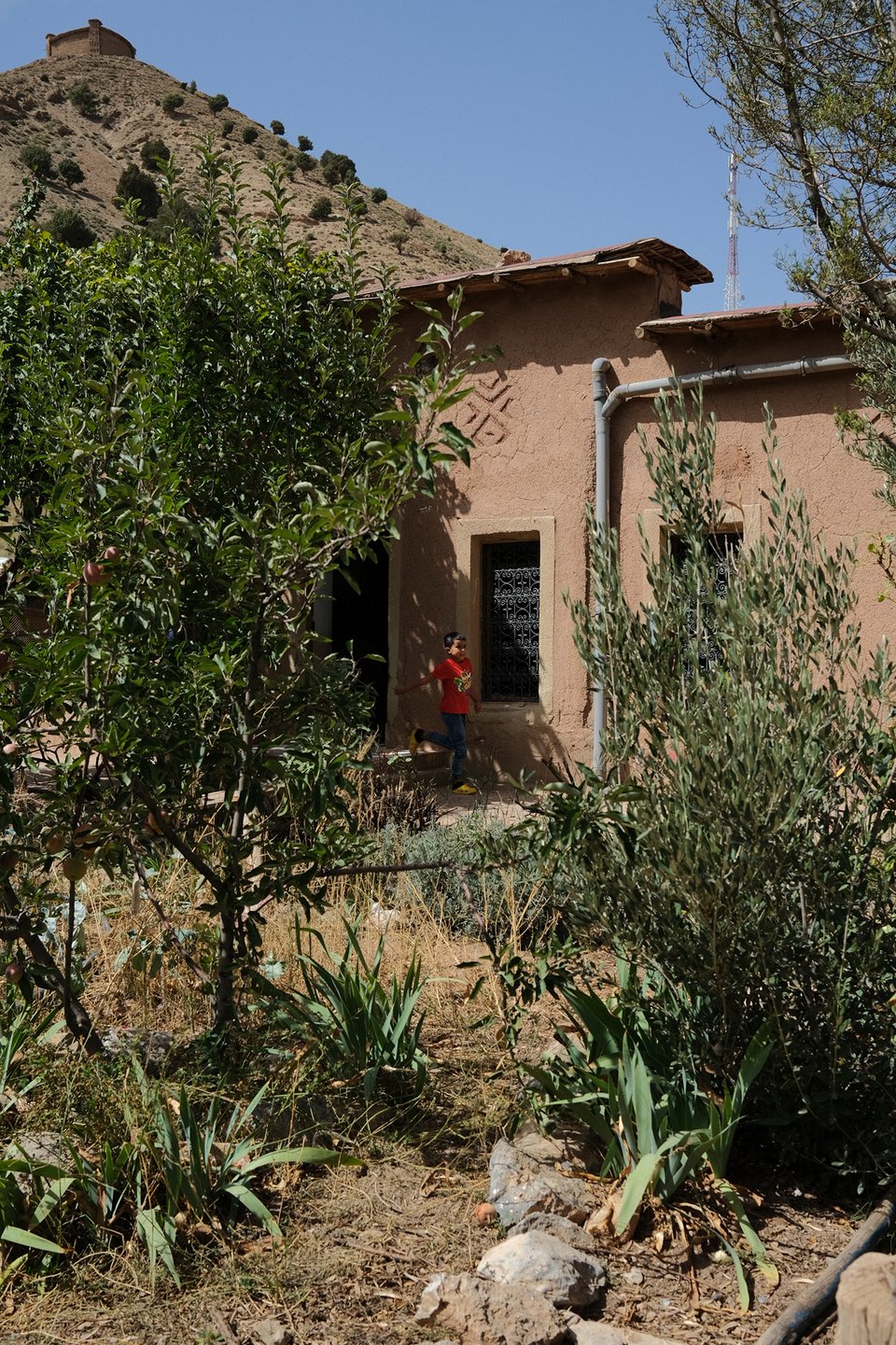
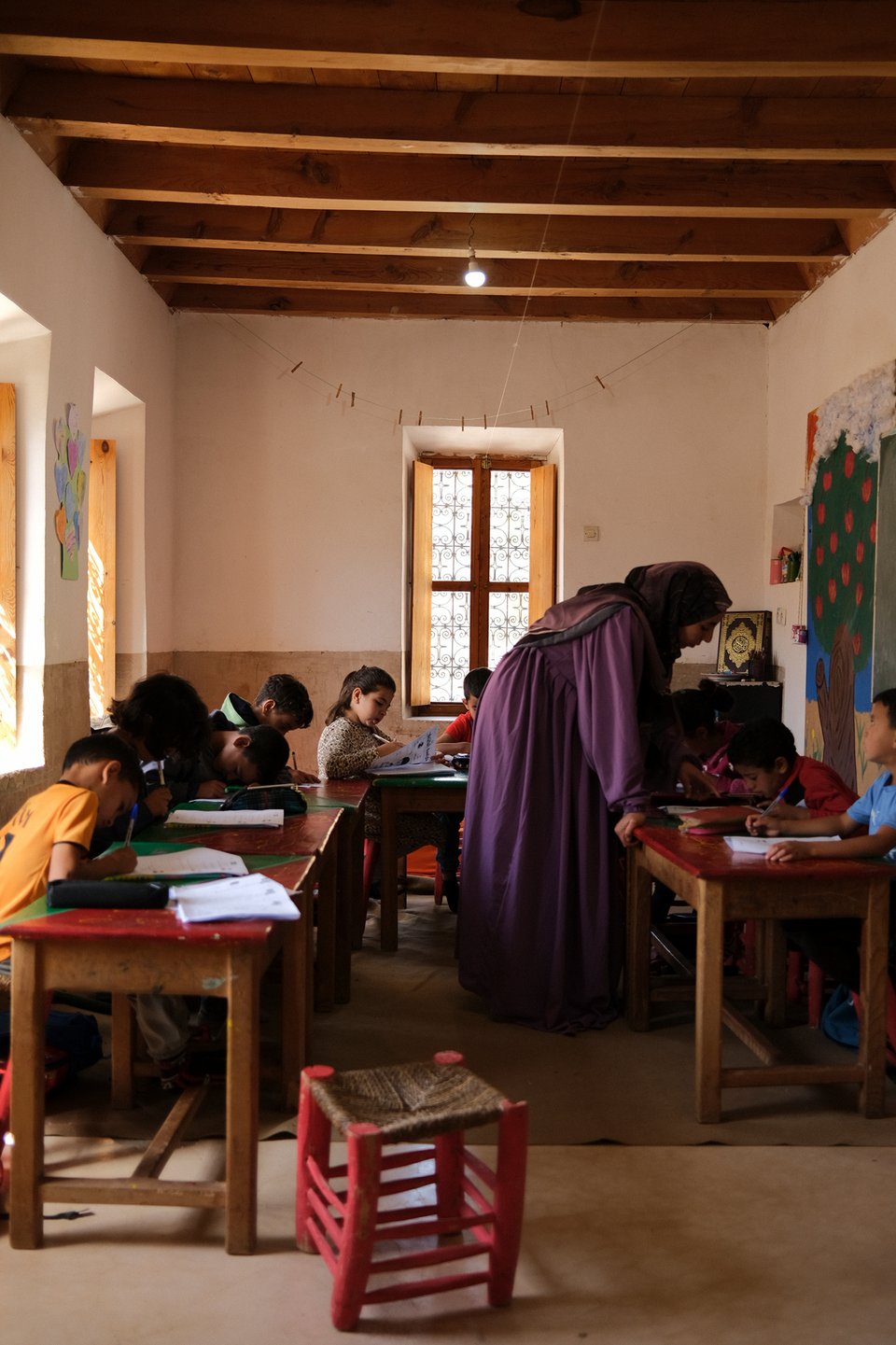
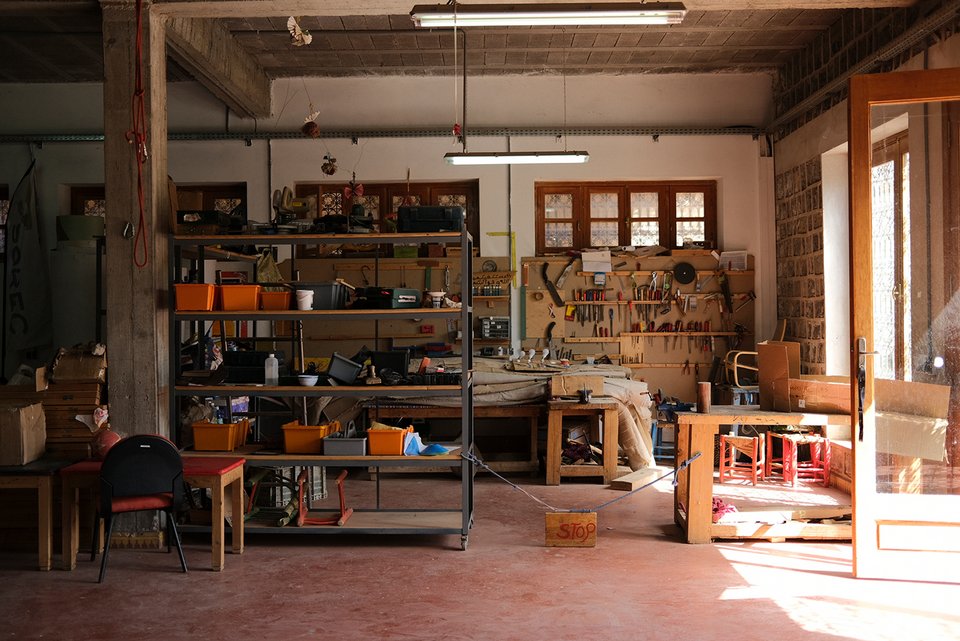
The project is based at Campus Vivant’e, a well-established educational institution in the valley that serves as a hub with a broad impact, particularly in the areas of education, inclusion, permaculture, community empowerment, and sustainable tourism. Campus Vivant’e sees itself as a “vibrant place for shared growth and a school for life.” Its goal is to create nurturing and holistic learning environments that foster academic knowledge, practical skills, social competencies, and self-confidence—all in harmony with local culture and nature. For 15 years, the educational institution has been offering schooling for children ages 5–15, as well as literacy courses for women and vocational training for adults. Campus Vivant’e serves as a platform for culture, exchange, and networking, providing the ideal space for the community. Several community projects have already been implemented in the region. The founders, Stefanie and Haddou, recognized the needs and opportunities for the local population early on and now wish to make spaces at the campus vivant’e they created available to open a showcase area with sales opportunities for local products and to facilitate networking among cooperatives. Campus founder Stefanie herself studied interior design at the HFT Stuttgart until 2004.
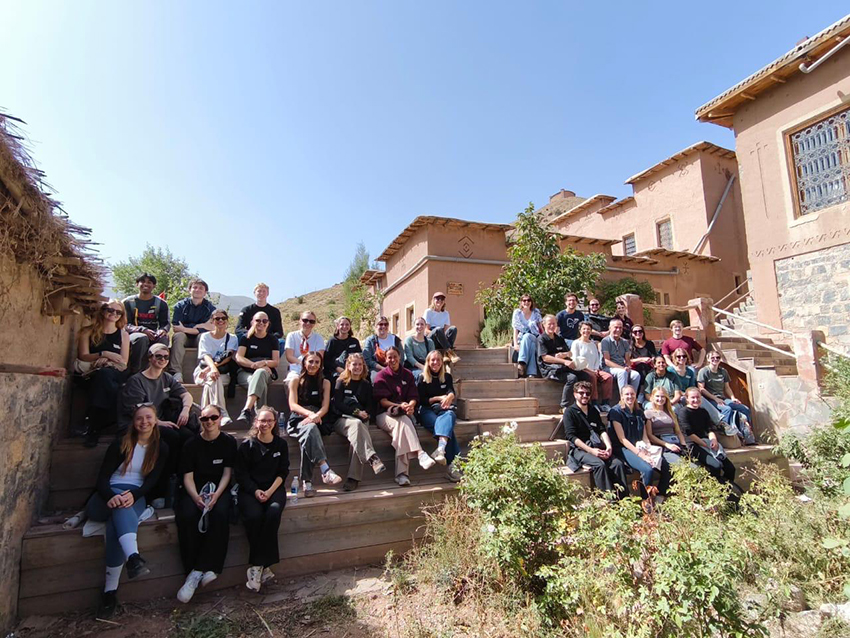
A study trip on the topic of “earth construction” took her to Morocco at that time with Prof. Löffler and Holder. The educational center she has built there over the years with her Moroccan husband bears witness to her connection to Stuttgart and to the fusion of modern Europe with the ancient Berber culture. This project is intended to further strengthen the collaboration with the HFT. First-semester IMIAD students traveled to Morocco during the winter semester of 2025 and, as part of a workshop, developed the exhibition concept for the small museum on campus.
The workshop was led by Prof. Diane Ziegler and Bärbel Bilger