Master's Thesis | Kevin Spina | Summer Semester 2023
Ornaments of a Defensive City - Notions of an Alternate Reality
Architecture offers people physical protection, but design and elaboration also influence their well-being. Defensive architecture historically describes defensive buildings, but today refers to designs that are directed against underrepresented population groups such as the homeless or young people. Factors such as (in)visibility, scale and archetypes are evident here: metal spikes on façades, for example, communicate the idea of not lingering, while gated communities with locks and cameras have a more subtle effect. Certain design principles serve as behaviour-regulating measures and make use or access more difficult for certain groups.
The assumption of a reciprocal effect of defensive design and increasing demarcation raises questions: What makes architecture defensive? How can such structures be recognised? How does an increasingly defensive environment affect private and public spaces? And how can computer games visualise defensive urban development through speculative scenarios and open up new ways of mediation?
Using real examples, architectural theory and narrative elements, speculative game scenarios will critically scrutinise the design of our environment and enable a broader understanding of planning challenges. In particular, Theo Deutinger's investigations from the Handbook of Tyranny form the basis.
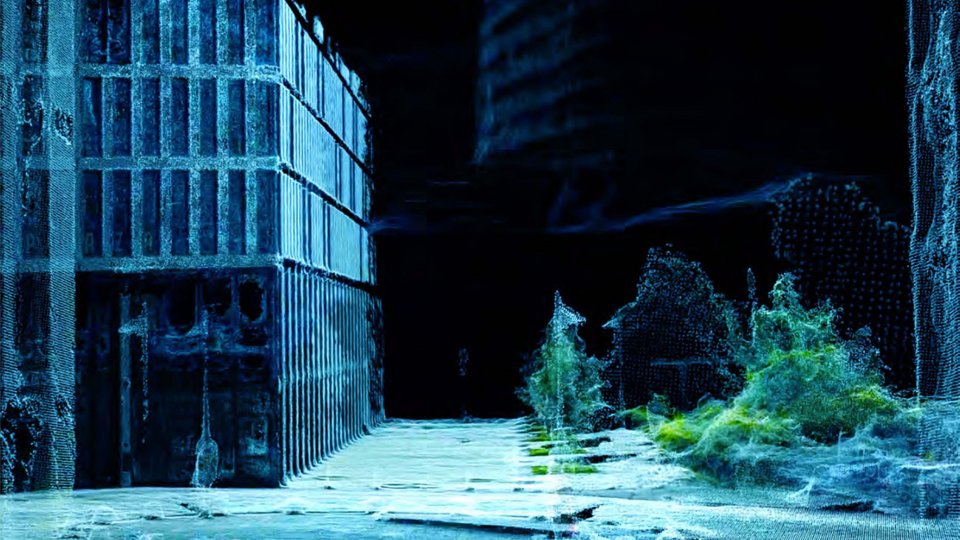
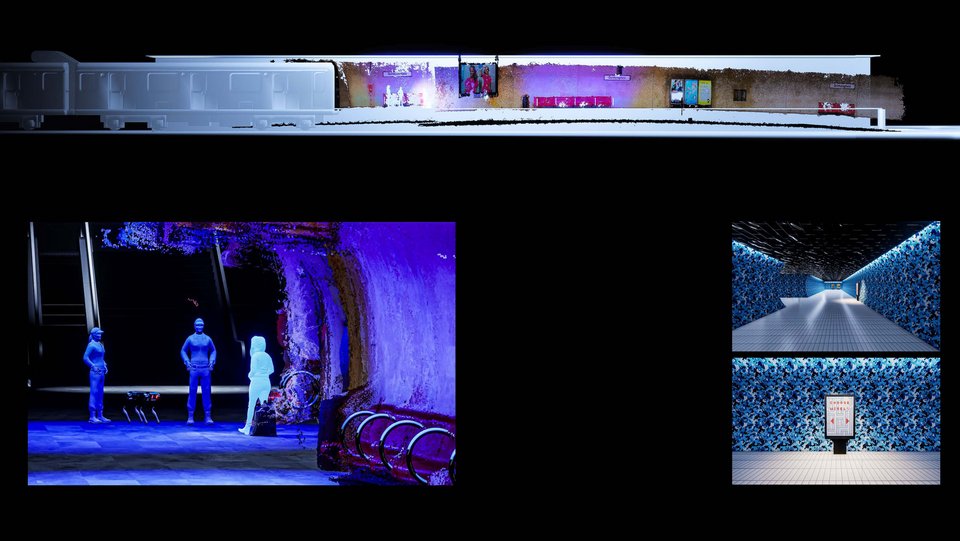
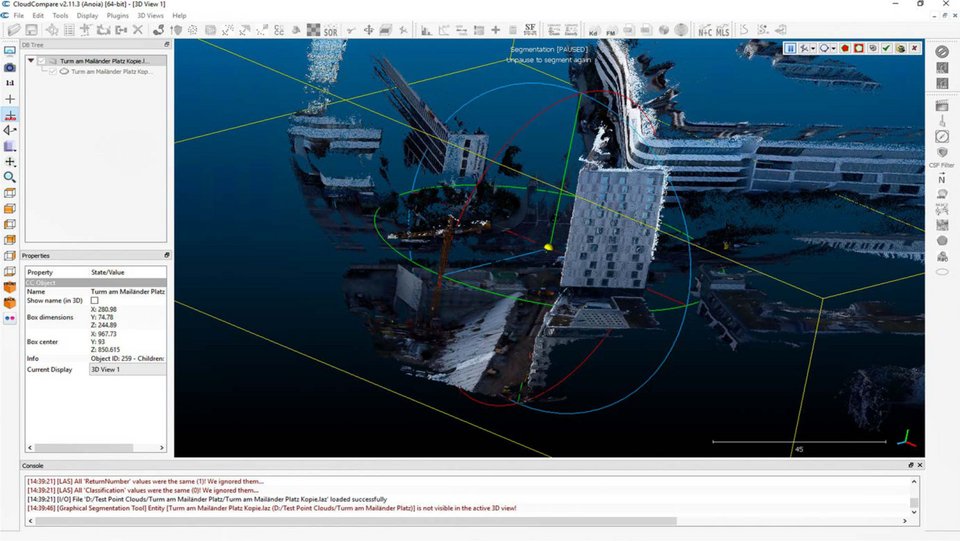
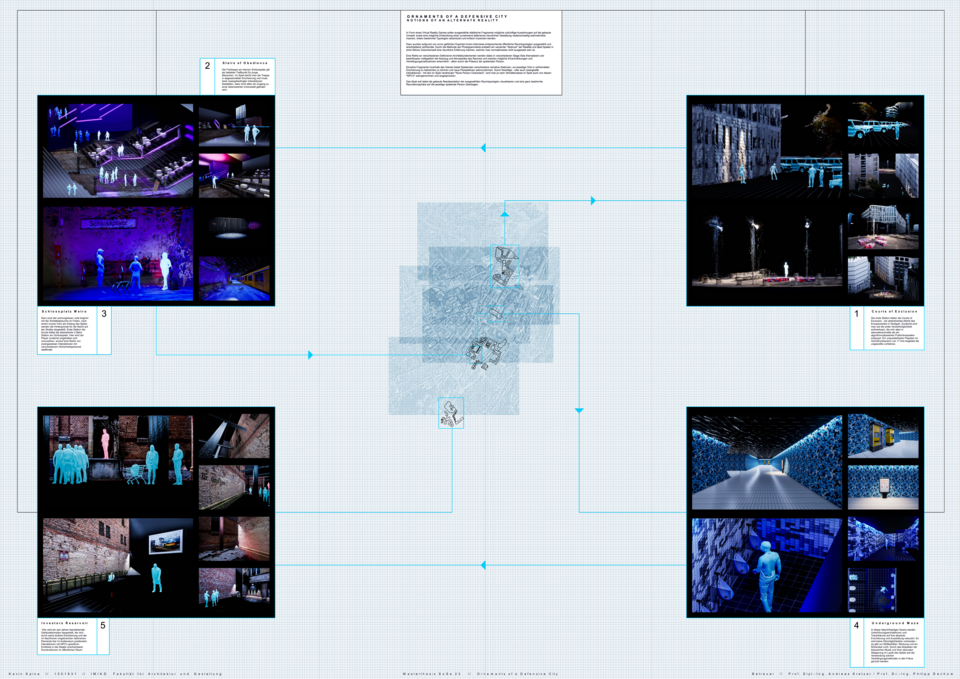
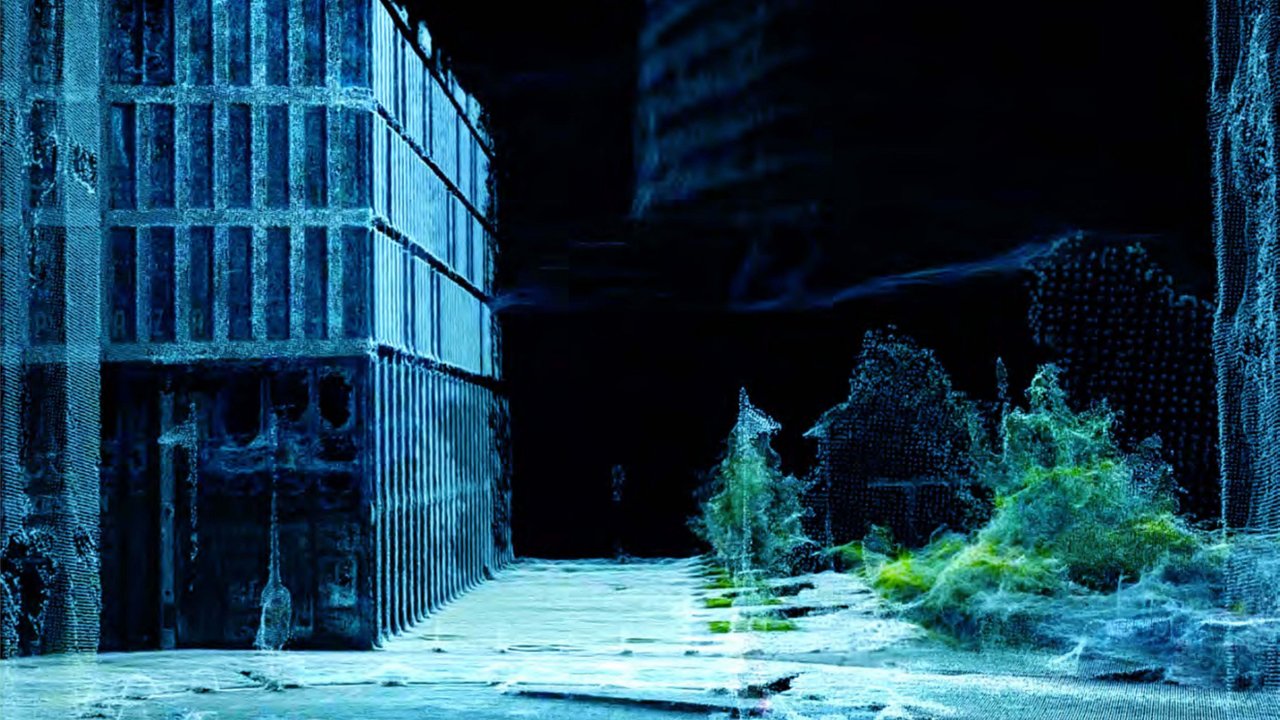
Defensive typologies in the Stuttgart area are determined, alienated and staged in a virtual reality game in order to visualise possible future effects of defensive design. The urban stages offer narrative stations in which players perceive places in an altered appearance. The work is based on scientific and non-scientific sources, interviews with those affected and site visits. The aim is to combine media methods such as film, video games and photogrammetry in order to convey architectural theory in a playful way and to make invisible inhabitants of the city visible.
Master's thesis supervised by Prof. Andreas Kretzer and Prof. Philipp Dechow.
The work was honoured at the 0711 Contest:
Master's thesis "Ornaments of a Defensive City" honoured at the 0711 Contest 2025 | HFT Stuttgart
Further information on the project:
here