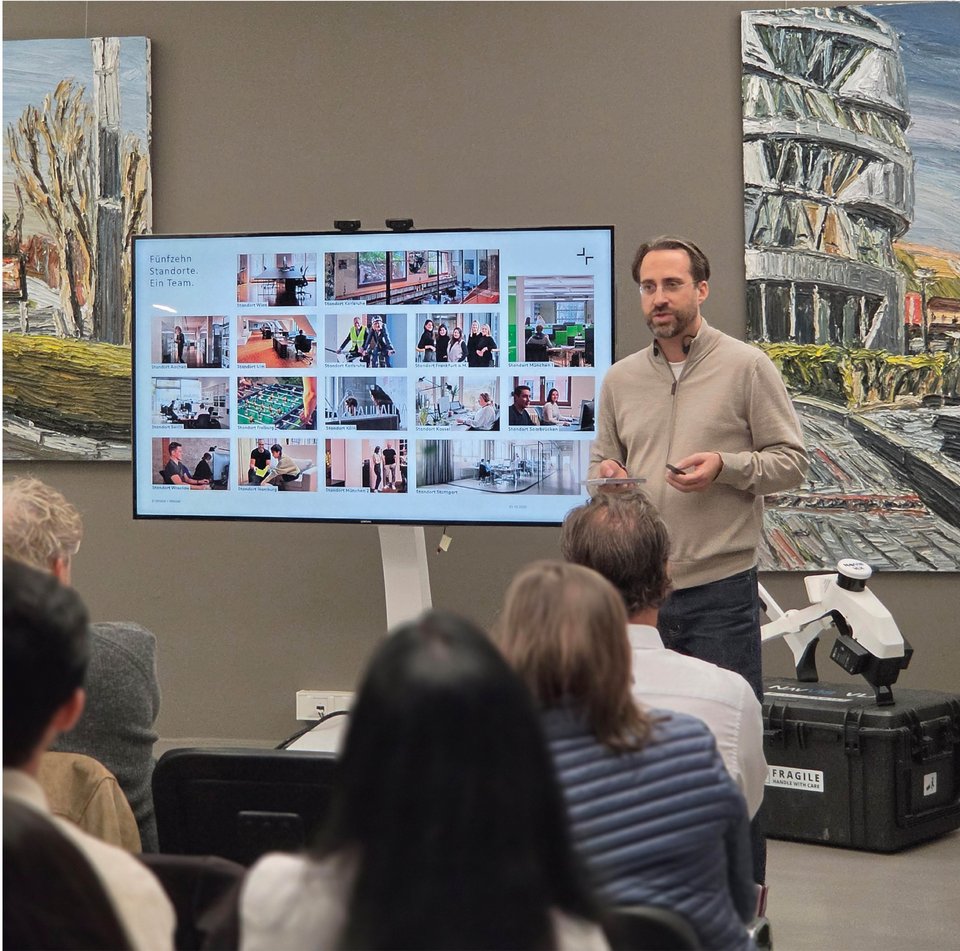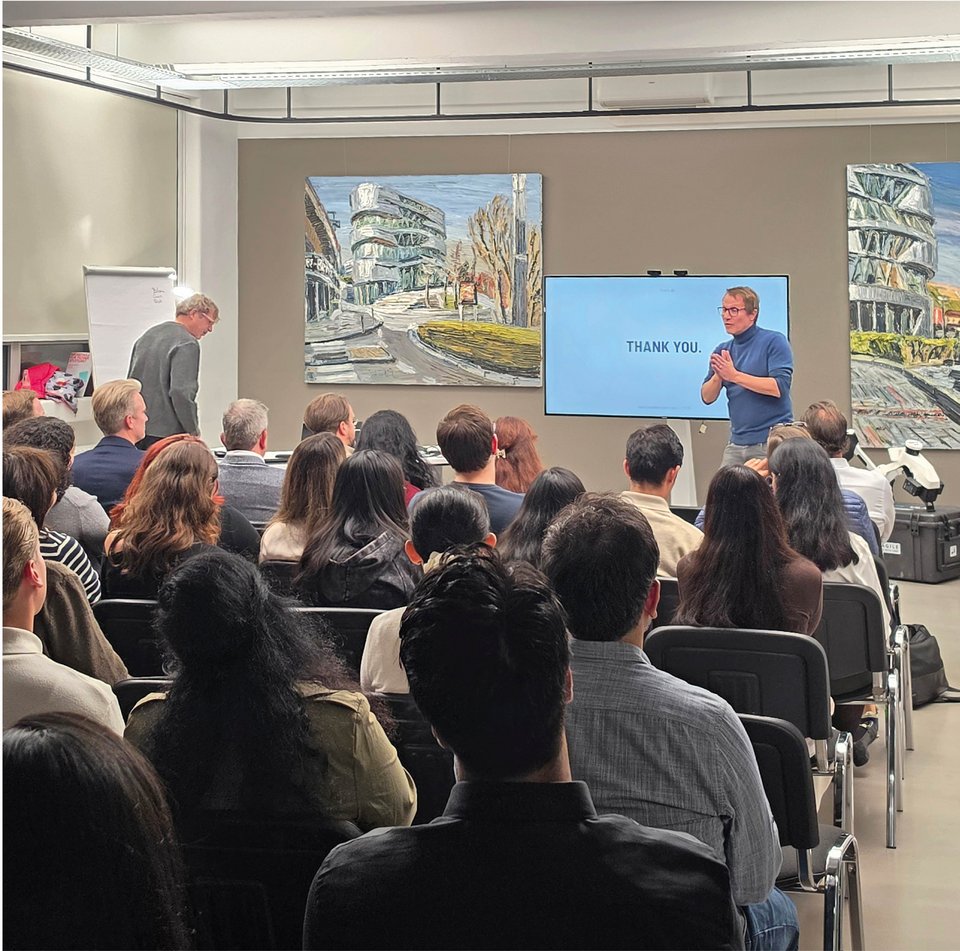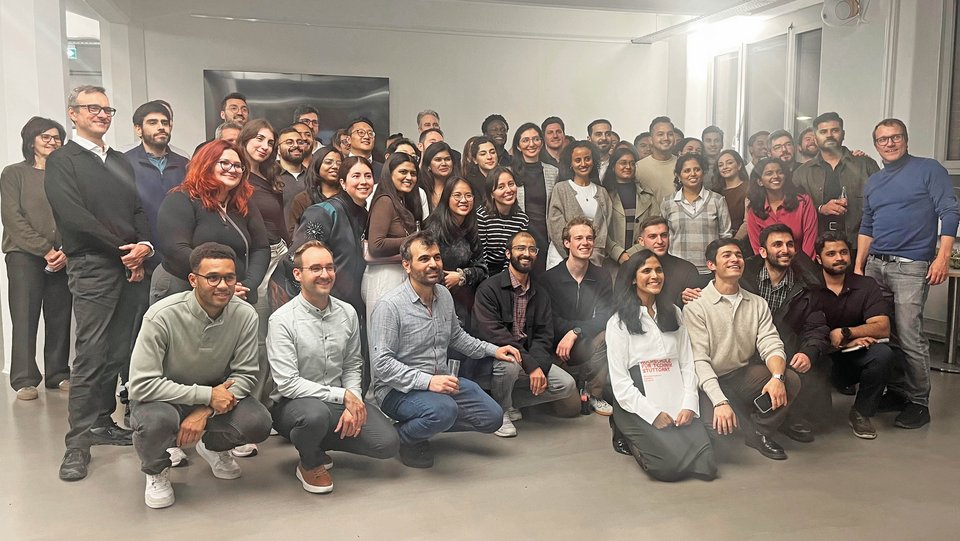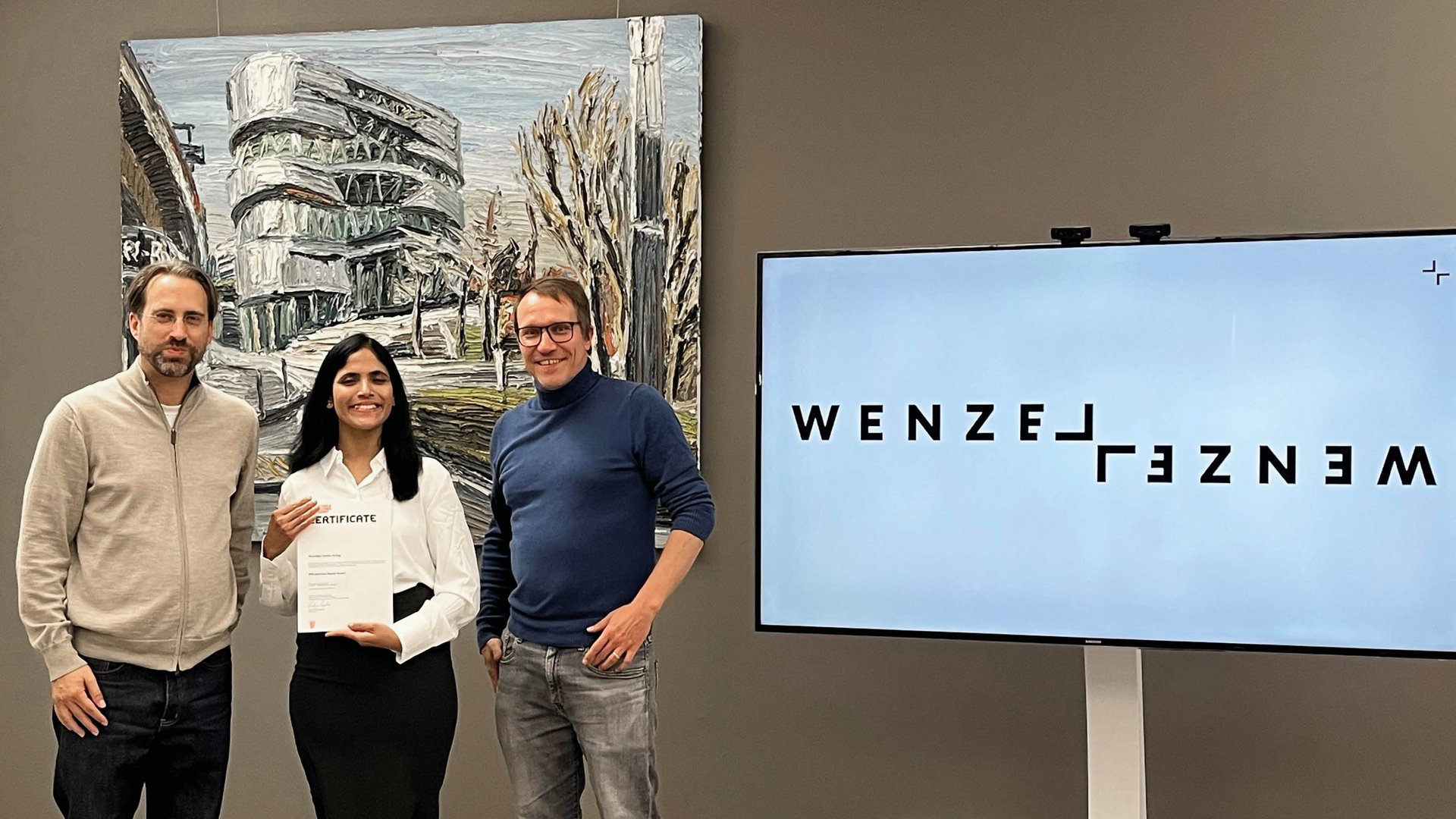
This semester's prize of the advisory board of the Master's programme International Project Management was awarded during the advisory board meeting to Avantika Rushi Tarale for her outstanding thesis.
The master's thesis "Adaptive Workforce Planning in Engineering Consultancies: A Resource Maturity Framework for Design Managers" addresses how current resource management practices in engineering consultancies influence the efficiency of the design phase and project delivery outcomes. Engineering consultancies in advanced facility design struggle with a persistent gap between formal workforce planning systems and how resources are actually allocated. Despite having grading frameworks and project management processes, assignment decisions remain reactive and driven by personal relationships rather than competency data. This creates expert dependency, skill mismatches, and delivery risk. The thesis addresses this gap by investigating why formal systems fail in practice and developing a framework for sustainable improvement.
The study used a qualitative case-study design that combined document analysis with semi structured interviews with Design Managers, Project Managers, Engineers, HR staff, and Business Development professionals at Exyte Germany GmbH, an engineering consultancy.
Five critical challenges emerged: resource allocation relies on personal familiarity rather than documented competencies, project assignments are concentrated in a few senior engineers, creating dangerous dependency, design managers are excluded from strategic decisions, forcing reactive responses, junior engineer development is inconsistent and lacks structure, and an inter-regional deployment reduces effective capacity due to travel and flex-hour compensation.
These challenges are not technology failures; they reflect gaps in governance, visibility, and alignment between business development, engineering, and HR functions. The thesis develops a practical Design Manager Resource Maturity Model (DM-RMM) that guides organisations through five stages: Reactive Tracking, Role Awareness, Competency Framework, Future Demand Planning, and Adaptability.
The framework includes simple, immediately usable tools: templates for role definition, competency scoring matrices, gap-action protocols, and talent grids. Implementation is staged to allow incremental improvement without disruption, grounded in change management theory, and incorporates German works council requirements. Effective workforce planning depends on the relationship among visible competency data, governance, clear decision rights, and alignment among HR, Engineering, and Business Development.
The prize of the advisory board was financed by the company WENZEL * WENZEL GmbH.
Image at the start: IPM professorship representative Max Haug, graduate Avantika Rushi Tarale and Michael Fischinger (Wenzel + Wenzel GmbH)